Trusted by 155+ Homeowners
What Flood Damage Is And Isn’t Covered By Insurance
- Over 157 5-Star Reviews
- Free Estimates and Quotes
- 100% Satisfaction Guaranteed
- Child, Family & Pet Safe Steps
- 24-Hour Emergency Service
- Fully Licensed & Insured
Most flood damage isn’t automatically covered by standard homeowners insurance.
You typically need separate flood insurance for damage caused by rising water from external sources.
TL;DR:
- Standard homeowners insurance often excludes flood damage from external sources like rivers or heavy rain.
- Flood insurance is usually a separate policy, often through the National Flood Insurance Program (NFIP).
- Damage from internal plumbing failures (like burst pipes) is usually covered by homeowners insurance.
- Sewer backups may or may not be covered, depending on your policy and endorsements.
- It’s vital to check your policy details and consider separate flood insurance for peace of mind.
What Flood Damage Is and Isn’t Covered by Insurance
Dealing with a flooded home can be incredibly stressful. You’re probably wondering what your insurance will cover. It’s a common question, and the answer can be a bit confusing. Many homeowners assume flood damage is always covered. Unfortunately, that’s often not the case. Understanding the difference between what your policy protects and what it doesn’t is key.
Understanding Your Homeowners Insurance Policy
Your standard homeowners insurance policy is designed to protect you from many common disasters. This includes damage from fire, windstorms, and theft. It also typically covers certain types of water damage. This might include leaks from your roof or a burst pipe inside your home. These are generally considered sudden and accidental events.
However, there’s a big distinction. Insurance companies usually separate damage caused by external flooding from internal water issues. This is a critical point for anyone facing a water damage situation. Knowing this distinction can save you a lot of heartache and money.
What is Typically NOT Covered by Standard Homeowners Insurance?
Damage from rising water originating outside your home is usually excluded. This includes events like:
- Overflowing rivers or lakes
- Heavy rainfall causing widespread flooding
- Storm surges from coastal storms
- Water backing up through drains due to external flooding
These types of events are considered “floods” in the insurance world. Your standard policy likely won’t pay for the repairs. This is why it’s so important to know your policy’s specific exclusions. You might be surprised by what’s left out. This is where understanding water intrusion risks becomes vital.
What is Typically Covered by Standard Homeowners Insurance?
On the flip side, your homeowners policy usually does cover water damage from specific sources within your home. This often includes:
- Burst pipes
- Leaking appliances (like dishwashers or washing machines)
- Overflowing toilets or sinks (if the cause is internal)
- Damage from HVAC system leaks
- Water damage from frozen plumbing
These are often categorized as internal water damage. It’s important to document all damage immediately when it occurs. This can help with any future claims you might need to file.
The Role of Flood Insurance
For protection against external flooding, you typically need a separate flood insurance policy. In the United States, most flood insurance is offered through the National Flood Insurance Program (NFIP). You can purchase NFIP policies from insurance agents. Some private flood insurance options are also available.
Flood insurance is especially important if you live in a high-risk flood zone. However, even if you don’t, it’s wise to consider flood insurance. Many flood events happen outside of designated high-risk areas. A single flood event can cause devastating losses. Having the right coverage provides essential financial protection.
What Does Flood Insurance Cover?
Flood insurance typically covers damage to the building’s structure. This includes the foundation, walls, and electrical systems. It can also cover damaged personal belongings. There are usually separate coverage limits for the building and its contents. You choose these limits when you buy the policy.
It’s important to remember that flood insurance has its own set of exclusions. For example, it usually doesn’t cover damage caused by mold or mildew that develops after the flood unless it’s a direct result of the floodwater. It also typically doesn’t cover landscaping or outdoor structures like fences.
Sewer Backup and Sump Pump Failure: A Special Case
Damage from sewer backups or sump pump failures is another area that can be confusing. Standard homeowners policies often exclude this type of damage. It’s considered a different kind of water event than a typical leak or burst pipe.
Many insurance companies offer an endorsement, or add-on, to your homeowners policy for sewer backup and sump pump overflow. This is often a relatively inexpensive way to get coverage for these specific issues. If you have a basement or live in an area prone to heavy rains, you should strongly consider this endorsement. It can be a lifesaver.
Navigating the Claims Process
If you experience flood damage, the first step is always to ensure your safety. Then, you’ll need to contact your insurance company promptly. They will likely send an insurance adjuster visit to assess the damage. It’s crucial to have clear documentation of everything that happened.
Take photos and videos of the damage before any cleanup begins. Keep records of all expenses related to the damage and repairs. This information will be essential when you file your storm damage claim. Understanding your policy upfront can make this process much smoother.
What About Garage Flooding?
Garages can also suffer significant flood damage. If your garage is attached to your home, some damage might be covered by your homeowners policy. However, if the flooding is due to external water sources, it often falls under the same exclusions as the rest of your house.
For detached garages, coverage is even less likely under a standard policy. If you have a detached garage that stores valuable items or vehicles, you might need specific coverage for it. Addressing garage water damage requires a clear understanding of your policy and potential flood risks. Consider water intrusion risks in all areas of your property.
The Importance of Professional Drying
Regardless of insurance coverage, dealing with flood damage requires immediate action. Standing water can quickly lead to mold growth and structural damage. It’s essential to begin the drying process as soon as possible. This is where professional restoration services come in.
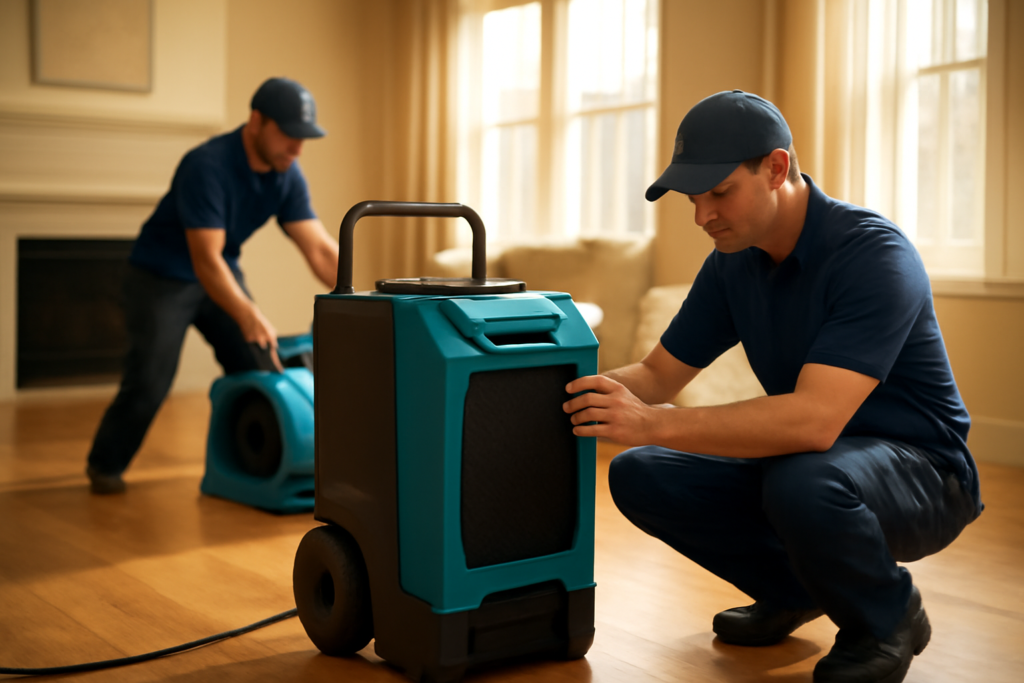
Professionals have the specialized equipment and expertise to properly dry out your home. They can identify hidden moisture and prevent further damage. This includes using industrial-strength dehumidifiers and air movers. Understanding how pros dry out a flooded home: step by step can give you a clearer picture of the process. It often takes longer than you might think, and acting quickly is critical. You might wonder, how long does it take to dry out a flooded room? This depends on the severity, but professional intervention speeds up the process significantly.
Preventative Measures Can Help
While insurance is crucial, taking steps to prevent flooding can also save you trouble. Simple measures like ensuring your downspouts extend away from your foundation can make a difference. Regularly checking for and clearing debris from gutters and drains is also important. These small actions can help mitigate water intrusion risks and protect your home.
Consider installing backwater valves on your sewer lines if you live in an area prone to backups. Also, ensure your sump pump is functioning correctly and has a battery backup. Learning about downspout extensions: do they really prevent flooding can help you make informed choices about your home’s exterior. These steps can help prevent interior water damage before it even starts.
| Type of Water Damage | Typically Covered by Homeowners Insurance | Typically Requires Flood Insurance or Endorsement |
|---|---|---|
| Burst Pipe (Internal) | Yes | No |
| Leaking Appliance | Yes | No |
| Overflowing River | No | Yes (Flood Insurance) |
| Heavy Rainfall (External Flooding) | No | Yes (Flood Insurance) |
| Sewer Backup | No (May require endorsement) | Yes (Sewer Backup Endorsement) |
| Sump Pump Failure | No (May require endorsement) | Yes (Sump Pump Failure Endorsement) |
Checklist: Understanding Your Coverage
To make sure you’re prepared, take these steps:
- Review your current homeowners insurance policy carefully. Look for exclusions related to water damage and flooding.
- Determine if you need separate flood insurance. Consider your location and historical flood data.
- Inquire about sewer backup and sump pump endorsements. These are often affordable add-ons.
- Keep records of your property’s condition with photos and videos. This helps with claims.
- Understand the deductible amounts for different types of claims.
- Know who to call for emergency water damage restoration. Having a trusted service ready can save valuable time.
Conclusion
Navigating insurance coverage for flood damage can feel like a maze. The key takeaway is that standard homeowners insurance typically covers internal water damage but not external flooding. For protection against rising water, you usually need a separate flood insurance policy. Always read your policy documents thoroughly and don’t hesitate to ask your insurance agent for clarification. If you find yourself dealing with flood damage, remember that prompt action and professional help are essential. Eden Prairie Restoration Pros understands the urgency and complexity of these situations and is here to help restore your property safely and efficiently.
What is the main difference between flood insurance and homeowners insurance?
Homeowners insurance typically covers damage from sudden, internal water events like burst pipes. Flood insurance is specifically designed to cover damage from rising water originating outside your home, such as overflowing rivers or heavy rainfall that causes widespread flooding.
Do I need flood insurance if I don’t live in a designated flood zone?
Many flood insurance policies are purchased by people who don’t live in high-risk areas. Research shows that a significant percentage of flood damage claims come from properties outside of these zones. It’s a good idea to assess your specific property’s risk factors and consider purchasing flood insurance for extra protection.
What if a storm causes both wind damage and flooding?
If a storm causes both wind damage and flooding, you will likely have two separate claims. The wind damage would typically be covered under your homeowners insurance policy. The flood damage, however, would require a separate flood insurance policy to be covered.
Can I file a claim for water damage caused by a broken pipe?
Yes, water damage caused by a broken pipe inside your home is generally covered by a standard homeowners insurance policy. This is considered internal water damage, which is a common peril covered by these policies. Remember to shut off the water source immediately and contact your insurer.
Is mold damage from a flood covered by insurance?
Coverage for mold damage after a flood can be complicated. Flood insurance typically covers mold that is a direct result of the floodwater within a specific timeframe. However, mold that develops due to slow leaks or neglect might not be covered. It’s crucial to address water damage and mold issues promptly and consult your policy details.

Levi Lemieux is a licensed Damage Restoration Expert with more than 20 years of hands-on experience in disaster recovery and structural mitigation. As a seasoned industry authority, Levi has dedicated two decades to mastering the technical complexities of environmental safety, providing property owners with the reliable expertise and steady leadership required to navigate high-stress property losses with absolute confidence.
𝗖𝗲𝗿𝘁𝗶𝗳𝗶𝗰𝗮𝘁𝗶𝗼𝗻𝘀: Levi holds elite IICRC credentials, including Water Damage Restoration (WRT), Applied Structural Drying (ASD), Mold Remediation (AMRT), Fire and Smoke Restoration (FSRT), and Odor Control (OCT).
𝗙𝗮𝘃𝗼𝗿𝗶𝘁𝗲 𝗣𝗮𝘀𝘁𝗶𝗺𝗲: When off-site, Levi is a passionate mountain biker and an amateur astronomer, hobbies that reflect the endurance and precision he brings to every restoration project.
𝗕𝗲𝘀𝘁 𝗣𝗮𝗿𝘁 𝗼𝗳 𝘁𝗵𝗲 𝗷𝗼𝗯: He finds the most fulfillment in providing a clear path forward for families, turning a site of devastation back into a safe, comfortable home.