
Trusted by 155+ Homeowners
Hurricane Damage To Historic Structures: Special Rules
- Over 157 5-Star Reviews
- Free Estimates and Quotes
- 100% Satisfaction Guaranteed
- Child, Family & Pet Safe Steps
- 24-Hour Emergency Service
- Fully Licensed & Insured
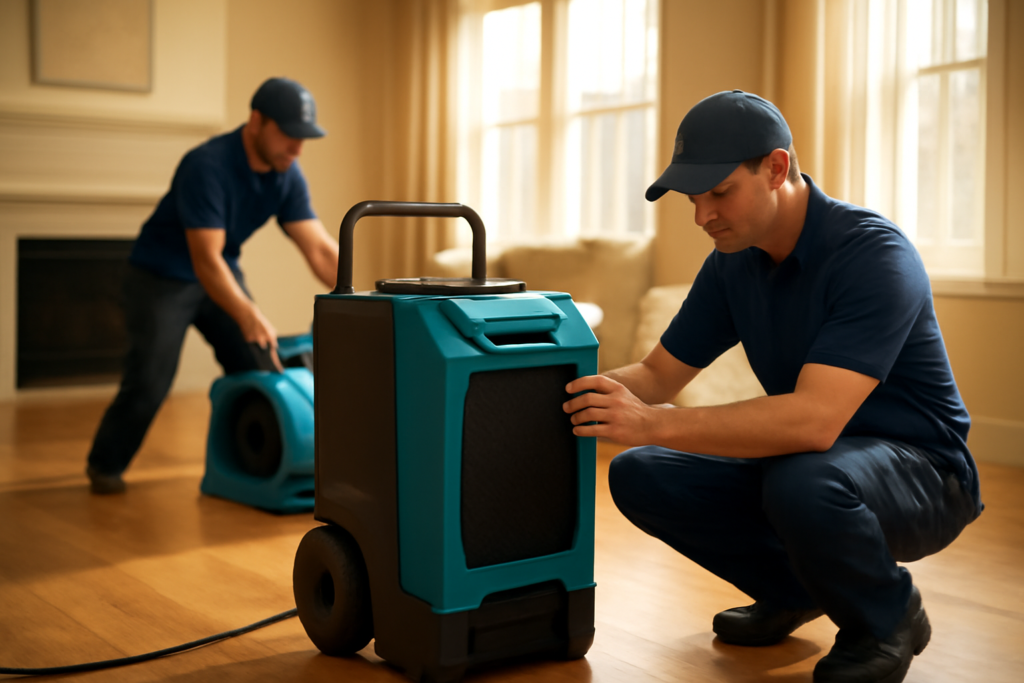
Hurricane damage to historic structures requires special rules due to their unique construction and materials.
Preserving historical integrity while ensuring safety and structural soundness is the primary challenge during restoration efforts.
TL;DR:
- Historic buildings face unique challenges after hurricanes due to their age and materials.
- Specialized knowledge and methods are needed for their restoration.
- Documentation and adherence to preservation guidelines are critical.
- Working with experienced professionals is essential for proper repair.
- Balancing structural repair with historical accuracy is key.
Hurricane Damage to Historic Structures: Special Rules
When a hurricane strikes, the damage can be devastating. For historic structures, this damage brings a whole new layer of complexity. These buildings often have unique architectural features and use materials not found in modern construction. This means standard restoration methods might not be suitable. Special rules and considerations are in place to protect their historical significance.
Understanding the Unique Vulnerabilities
Historic buildings are often more vulnerable to storm damage. Their construction methods, materials like old-growth timber, lime-based mortars, and original roofing can be delicate. Wind and water can exploit these weaknesses. We found that older structures may lack the robust bracing or modern weatherproofing found in newer homes. This makes them susceptible to severe damage.
Wind Damage Considerations
High winds can cause significant damage to historic buildings. Roofs, windows, and exterior cladding are often the first to suffer. For older homes, roof storm damage can be particularly tricky. Original slate or tile roofs, while beautiful, can be dislodged easily. Repairing these often requires sourcing matching historical materials. This can be a difficult and time-consuming process. We’ve seen cases where non-period materials were used, diminishing the building’s historic character.
Water Intrusion Risks
Hurricanes bring heavy rain and storm surge, leading to widespread water intrusion. For historic homes, this poses a serious threat. Old plumbing systems, porous building materials, and potential foundation issues can exacerbate the problem. Addressing interior water damage is critical to prevent mold growth and structural decay. Understanding how pros dry out a flooded home step by step is crucial for these situations. The goal is to remove moisture without damaging delicate finishes or structural elements.
The Importance of Documentation
Before any restoration work begins, thorough documentation is essential. This includes detailed photographs and written records of the damage. It also involves documenting the original architectural features and materials. This record is vital for insurance claims and for guiding the restoration process. Many historical societies and preservation agencies require this documentation. It ensures that repairs align with the building’s historical context. We found this step is often overlooked but is incredibly important.
Navigating Preservation Guidelines
Restoring a historic structure after hurricane damage means adhering to strict preservation guidelines. These guidelines are set by organizations like the Secretary of the Interior’s Standards for the Treatment of Historic Properties. They dictate how repairs should be made to maintain historical authenticity. This might mean repairing instead of replacing original features. It could also involve using traditional techniques and materials. The goal is to make repairs that are compatible with the historic character of the building. A proper storm roof inspection is often the first step in assessing roof storm damage.
Specialized Restoration Techniques
Restoring historic buildings requires specialized knowledge and skills. Standard contractors may not have the experience needed. You need professionals who understand historic materials and construction methods. They know how to handle delicate plasterwork, original woodwork, and unique window designs. For example, drying out a flooded room might require different approaches than in a modern home. The materials might absorb water differently. We found that using the wrong drying methods can cause irreparable harm to historical elements.
Material Sourcing Challenges
Finding historically accurate replacement materials can be a major hurdle. Old-growth lumber, specific types of brick, or decorative architectural elements may be out of production. Restoration teams often need to work with specialized suppliers or even craftspeople. Sometimes, salvaged materials from similar historic structures can be used. This attention to detail is what distinguishes historic preservation from standard renovation. It’s a painstaking process, but essential for maintaining the building’s integrity.
Balancing Preservation and Modern Needs
While preserving historical accuracy is key, modern safety and building codes must also be considered. This can create a delicate balance. For instance, structural upgrades might be necessary for safety, but they must be done discreetly. The aim is to integrate modern necessities without compromising the historic appearance or fabric of the building. This is where expert advice is crucial. They can help find solutions that meet both preservation standards and current regulations.
| Type of Damage | Historic Structure Concern | Restoration Approach |
|---|---|---|
| Wind Damage | Dislodged roofing, damaged facades, window integrity | Repair or replace with matching historical materials; reinforce structural elements discreetly. |
| Water Damage | Material degradation (wood rot, plaster damage), mold growth, foundation issues | Careful drying; use appropriate cleaning agents; address source of water intrusion; assess and repair structural water intrusion risks. |
| Foundation Issues | Settling, cracking due to saturation or erosion | Stabilize foundation using methods compatible with historic masonry; monitor closely. |
When to Call the Professionals
Dealing with hurricane damage to historic structures is not a DIY project. It requires expert knowledge and specialized tools. If your historic home has suffered damage, don’t wait to get help. Contacting a professional restoration company experienced in historic properties is the first step. They can assess the damage accurately. They can also guide you through the complex process of repair and preservation. This ensures the work is done correctly and respects the building’s past.
Choosing the Right Restoration Team
Selecting the right restoration team is critical. Look for companies with a proven track record in historic preservation. Ask about their experience with similar projects. They should understand the Secretary of the Interior’s Standards. A good team will work closely with you and any historical commissions involved. They will prioritize preserving the building’s unique character. This ensures you get expert advice today.
Quick Action for Water Damage
When water damage occurs, speed is of the essence. The longer water sits, the more damage it causes. This is true for modern homes and even more so for historic ones. Understanding how long does it take to dry out a flooded room is important. Professionals use specialized equipment to speed up the drying process. This helps mitigate further damage. Prompt action can prevent serious health risks associated with mold.
Preventative Measures for Historic Homes
While you can’t stop a hurricane, you can take steps to prepare historic homes. Regular maintenance is key. This includes ensuring roofs and gutters are clear. It means checking window and door seals. Storm-proofing your home before the season starts can make a difference. While some storm-proofing might involve modern materials, sensitive applications can be used. Discussing options with a preservation expert is wise. They can advise on the least intrusive methods. This can help mitigate potential water intrusion risks.
Roof Maintenance and Inspection
A well-maintained roof is your first line of defense. Regular roof storm inspection can catch small problems before they become major disasters. For historic homes, this is especially important. Old roofing materials need careful attention. Addressing loose tiles or flashing issues promptly can prevent significant water damage. This is part of a proactive approach to protecting your historic property.
A Checklist for Historic Property Owners
After a hurricane, owners of historic properties should consider the following:
- Document all damage thoroughly with photos and notes.
- Contact your insurance company immediately.
- Call a professional restoration company experienced with historic buildings.
- Avoid making temporary repairs that could damage historic materials.
- Consult with local historical preservation authorities.
- Begin planning for long-term structural repairs and preservation.
Conclusion
Hurricane damage to historic structures presents a unique set of challenges. It requires a deep understanding of historical materials, construction techniques, and preservation guidelines. The goal is always to restore the building’s integrity while respecting its past. Balancing these needs demands specialized expertise. For homeowners facing this daunting task, partnering with experienced professionals is essential. Eden Prairie Restoration Pros understands the delicate nature of historic properties and is committed to their careful restoration. We’ve found that a meticulous approach is key to preserving these irreplaceable parts of our heritage.
What makes historic structures more vulnerable to hurricanes?
Historic structures often use older, less resilient materials like lime-based mortar and older wood. They may also lack the modern structural reinforcements and weatherproofing found in contemporary buildings. These factors can make them more susceptible to damage from high winds and heavy rain.
Are there specific regulations for restoring historic buildings after a disaster?
Yes, there are often strict guidelines, such as the Secretary of the Interior’s Standards for the Treatment of Historic Properties. These rules ensure that repairs maintain the building’s historical authenticity and character. They dictate what materials and methods are acceptable for restoration.
How is water damage handled differently in historic homes?
Water damage in historic homes requires careful handling to avoid damaging delicate original materials like plaster, woodwork, and aged fabrics. Professionals use specialized drying techniques and cleaning agents that are less aggressive. They focus on removing moisture without causing further deterioration or introducing harmful chemicals.
Can modern storm-proofing techniques be used on historic homes?
Modern storm-proofing can be used, but it requires careful consideration to avoid altering the historic appearance. Experts must choose methods that are minimally invasive and compatible with the original structure. The goal is to enhance protection without compromising historical integrity, which is a key aspect of storm roof inspection for older homes.
Why is professional help so important for hurricane-damaged historic buildings?
Professional restoration companies bring specialized knowledge of historic materials and construction. They understand the unique challenges and regulatory requirements involved. Their expertise ensures that repairs are done correctly, preserving the building’s historical value while making it safe and structurally sound. They can also help navigate the complexities of insurance and preservation guidelines, offering expert advice today.

Levi Lemieux is a licensed Damage Restoration Expert with more than 20 years of hands-on experience in disaster recovery and structural mitigation. As a seasoned industry authority, Levi has dedicated two decades to mastering the technical complexities of environmental safety, providing property owners with the reliable expertise and steady leadership required to navigate high-stress property losses with absolute confidence.
𝗖𝗲𝗿𝘁𝗶𝗳𝗶𝗰𝗮𝘁𝗶𝗼𝗻𝘀: Levi holds elite IICRC credentials, including Water Damage Restoration (WRT), Applied Structural Drying (ASD), Mold Remediation (AMRT), Fire and Smoke Restoration (FSRT), and Odor Control (OCT).
𝗙𝗮𝘃𝗼𝗿𝗶𝘁𝗲 𝗣𝗮𝘀𝘁𝗶𝗺𝗲: When off-site, Levi is a passionate mountain biker and an amateur astronomer, hobbies that reflect the endurance and precision he brings to every restoration project.
𝗕𝗲𝘀𝘁 𝗣𝗮𝗿𝘁 𝗼𝗳 𝘁𝗵𝗲 𝗷𝗼𝗯: He finds the most fulfillment in providing a clear path forward for families, turning a site of devastation back into a safe, comfortable home.