
Trusted by 155+ Homeowners
Can A Sump Pump Handle A Major Flood?
- Over 157 5-Star Reviews
- Free Estimates and Quotes
- 100% Satisfaction Guaranteed
- Child, Family & Pet Safe Steps
- 24-Hour Emergency Service
- Fully Licensed & Insured
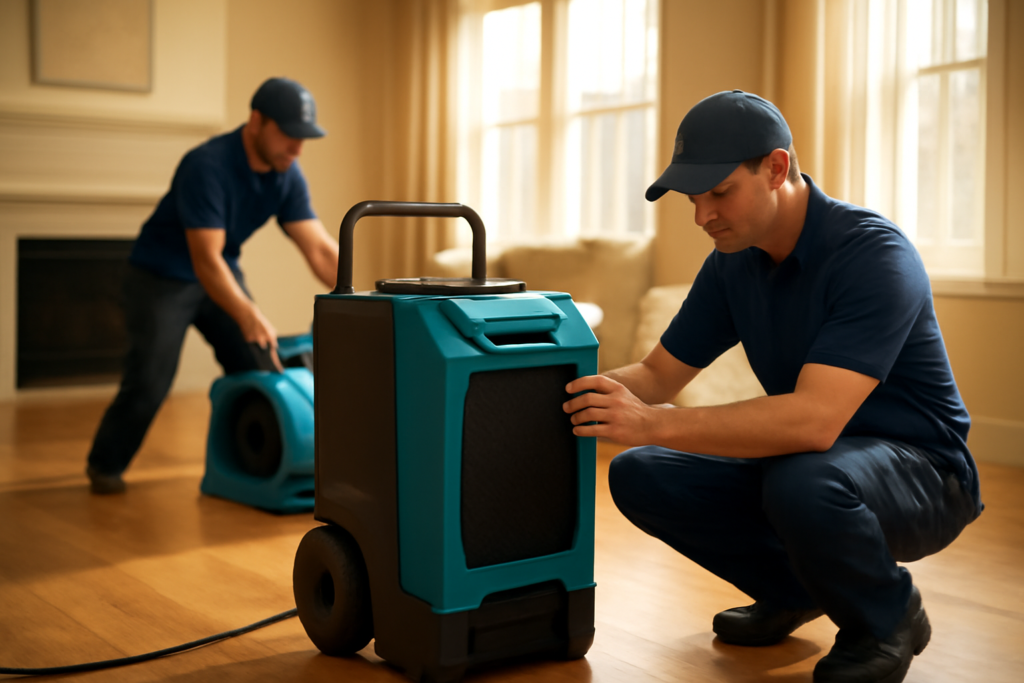
A sump pump can help manage minor water accumulation, but it’s generally not designed to handle a major flood.
For significant flooding, a sump pump’s capacity is often overwhelmed, leading to widespread damage.
TL;DR:
- Sump pumps are for managing groundwater and minor leaks, not major flood events.
- Overwhelmed sump pumps can fail, exacerbating flood damage.
- Major floods require professional water extraction and drying services.
- Proper maintenance and backup systems can enhance sump pump effectiveness.
- Addressing the root cause of flooding is key to preventing future issues.
Can a Sump Pump Handle a Major Flood?
It’s a common question homeowners ask, especially during heavy rains or after severe storms. You might have a sump pump installed in your basement or crawl space, thinking it’s your ultimate defense against water. While a sump pump is an excellent tool for managing everyday groundwater seepage and minor leaks, it’s important to understand its limitations. Research shows that these devices are typically not built to cope with the sheer volume of water associated with a major flood event.
Understanding Your Sump Pump’s Role
Think of your sump pump as a dedicated bouncer for small parties. It’s great at escorting out a few unwelcome guests (minor water). It sits in a sump pit, a hole dug in your basement floor. When water rises in the pit, a float switch activates the pump. This pump then pushes the water out and away from your home’s foundation. This process is vital for preventing the kind of dampness that can lead to mold and mildew, and for protecting against minor basement flooding.
Limitations of Standard Sump Pumps
However, when a major flood hits – perhaps from a burst pipe, a river overflowing, or extreme rainfall overwhelming your yard’s drainage – the volume of water can be immense. A standard sump pump is designed for a specific flow rate. If the incoming water exceeds this rate, the pump will be unable to keep up. The sump pit will fill faster than the pump can empty it, and water will begin to spill out.
What Happens When a Sump Pump is Overwhelmed?
When your sump pump can’t keep up, the situation can quickly become worse. Instead of preventing water from entering your home, an overwhelmed pump can contribute to its spread. Water that would have been managed by the pump simply overflows the pit. This can lead to more extensive interior water damage throughout your basement and potentially other levels of your home. It’s like a tiny drain trying to handle a tsunami – it’s simply not equipped for the job.
The Risk of Sump Pump Failure
Furthermore, a sump pump running continuously during a major flood is under immense strain. This can lead to the pump overheating and failing entirely. If the pump breaks down when you need it most, you’re left with no protection against the rising water. This is why many experts recommend having a backup plan, especially in flood-prone areas.
Backup Systems for Enhanced Protection
To combat the limitations of a single sump pump, many homeowners opt for backup systems. These are designed to kick in when the primary pump fails or is unable to keep pace. They offer a critical layer of defense during heavy water events.
Types of Sump Pump Backup Systems
There are a few common types:
- Battery Backup Sump Pumps: These run on a dedicated battery. When power goes out (a common occurrence during storms) or the main pump fails, the battery-powered pump takes over.
- Water-Powered Backup Pumps: These use your home’s municipal water supply to create suction, pumping water out without electricity. They are a good option if you’re concerned about power outages.
- Secondary Sump Pumps: Some homeowners install a second, often more powerful, sump pump in a separate pit or even in the same pit as the primary pump.
Research shows that installing a backup system significantly increases your home’s resilience against flooding, especially when dealing with prolonged or intense water intrusion risks.
Testing and Maintenance are Key
Even with a backup system, regular maintenance is non-negotiable. You should test your sump pump and any backup systems at least twice a year. Pour a bucket of water into the pit to ensure the pump activates and discharges water properly. Check the discharge pipe for any obstructions. A well-maintained pump is much more likely to perform when you need it. Neglecting this can lead to serious consequences.
Beyond the Sump Pump: Addressing the Source
While a sump pump and its backups are important, they are often just one part of a larger flood prevention strategy. For major flood events, addressing the source of the water is paramount. This involves looking at your home’s exterior and surrounding environment.
Exterior Grading and Drainage
The way your land slopes away from your house is critical. Proper grading ensures that rainwater flows away from your foundation, not towards it. If your yard slopes towards your home, water can pool around the foundation and eventually find its way into your basement or crawl space. This is a common cause of persistent moisture issues and can contribute to larger flooding problems during heavy rain. Taking steps for storm prep steps can make a big difference.
Gutter Maintenance
Clogged gutters are another common culprit. When gutters are full of leaves and debris, they can’t effectively channel water away from your roof and foundation. Instead, water can overflow the gutters and cascade down the side of your house, directly impacting your foundation. Keeping your gutters clean is a simple yet effective part of seasonal preparation.
Foundation Integrity
Cracks or gaps in your foundation can also allow water to seep into your home. Even a small crack can become a significant entry point for water during a flood. Regular inspection of your foundation walls for any signs of damage is a wise practice.
When Professional Help is Needed
If you experience any significant water intrusion, it’s important to act quickly. The longer water sits in your home, the more damage it can cause. Mold can begin to grow within 24-48 hours, leading to serious health risks and costly repairs. Trying to manage a major flood on your own can be overwhelming and may not be as effective as professional intervention.
The Benefits of Professional Water Damage Restoration
Professional restoration companies have the specialized equipment and expertise to handle large-scale water damage. They can extract water quickly and efficiently, dry out your home thoroughly, and address any potential mold growth. They understand the science behind drying and can ensure your home is restored safely and effectively. You can learn more about how pros dry out a flooded home step by step. This process is crucial to prevent long-term issues like structural damage and lingering odors.
Dealing with a flooded home is stressful. Understanding the role of your sump pump, the importance of backup systems, and the necessity of professional help when needed can save you time, money, and a lot of heartache. Remember, for significant water problems, do not wait to get help.
| Sump Pump Scenario | Likely Outcome | Recommended Action |
|---|---|---|
| Minor Basement Leak/Seepage | Sump pump handles it effectively. | Regular testing and maintenance. |
| Heavy Rainfall (Moderate) | Sump pump works hard; backup may engage. | Monitor performance, check discharge. |
| Major Flood Event (Burst pipe, Severe storm) | Sump pump overwhelmed; risk of failure. | Evacuate if necessary; call professionals immediately. |
| Power Outage During Rain | Primary pump fails; backup is essential. | Ensure battery or water-powered backup is functional. |
Preventative Measures Checklist
Here’s a quick checklist to help you prepare:
- Test your sump pump monthly.
- Check your backup battery or water supply.
- Clean your gutters and downspouts regularly.
- Ensure your yard slopes away from the foundation.
- Inspect your foundation for any cracks.
- Consider a flood insurance policy.
Conclusion
While a sump pump is a valuable asset for managing groundwater and minor water issues, it is not a foolproof solution for major flood events. Its capacity is limited, and it can fail under extreme pressure. For significant flooding, professional water damage restoration is often necessary to mitigate the damage effectively and prevent long-term problems. At Eden Prairie Restoration Pros, we understand the devastating impact of flooding and are equipped to help you recover. We can assist with everything from water extraction to complete drying and restoration, ensuring your home is safe and sound again. Remember, act before it gets worse.
What is the primary purpose of a sump pump?
The primary purpose of a sump pump is to remove groundwater that accumulates around your home’s foundation. It sits in a pit and pumps out water that seeps into the basement or crawl space, preventing dampness and minor flooding.
Can a sump pump prevent basement flooding during a hurricane?
During a hurricane or major flood event, the sheer volume of water often exceeds a sump pump’s capacity. While it might help manage some initial water, it’s unlikely to prevent significant basement flooding on its own. You should prepare for potential overwhelm and have backup plans.
How often should I test my sump pump?
We found that testing your sump pump at least twice a year, and ideally quarterly, is a good practice. Pouring a bucket of water into the sump pit will activate the pump and allow you to check its operation and discharge. This is a key part of storm prep steps.
What are the risks of a flooded home if not dried properly?
If a flooded home isn’t dried properly, there are significant risks. These include mold and mildew growth, which can cause serious health problems. Structural damage to your home’s foundation and framing can occur. Lingering moisture can also lead to electrical hazards and damage to your belongings. It’s crucial to get expert advice today for proper drying, similar to how pros dry out a flooded home step by step.
Should I consider a battery backup for my sump pump?
Yes, many experts strongly recommend a battery backup for your sump pump. Power outages are common during severe storms when you need your pump most. A battery backup ensures your pump continues to operate even without electricity, protecting your home from flooding and reducing interior water damage risks. It’s a vital component for preventing garage water damage, flooding, leaks, and for overall home protection.

Levi Lemieux is a licensed Damage Restoration Expert with more than 20 years of hands-on experience in disaster recovery and structural mitigation. As a seasoned industry authority, Levi has dedicated two decades to mastering the technical complexities of environmental safety, providing property owners with the reliable expertise and steady leadership required to navigate high-stress property losses with absolute confidence.
𝗖𝗲𝗿𝘁𝗶𝗳𝗶𝗰𝗮𝘁𝗶𝗼𝗻𝘀: Levi holds elite IICRC credentials, including Water Damage Restoration (WRT), Applied Structural Drying (ASD), Mold Remediation (AMRT), Fire and Smoke Restoration (FSRT), and Odor Control (OCT).
𝗙𝗮𝘃𝗼𝗿𝗶𝘁𝗲 𝗣𝗮𝘀𝘁𝗶𝗺𝗲: When off-site, Levi is a passionate mountain biker and an amateur astronomer, hobbies that reflect the endurance and precision he brings to every restoration project.
𝗕𝗲𝘀𝘁 𝗣𝗮𝗿𝘁 𝗼𝗳 𝘁𝗵𝗲 𝗷𝗼𝗯: He finds the most fulfillment in providing a clear path forward for families, turning a site of devastation back into a safe, comfortable home.