
Trusted by 155+ Homeowners
What Is Excess Flood Insurance And Do You Need It?
- Over 157 5-Star Reviews
- Free Estimates and Quotes
- 100% Satisfaction Guaranteed
- Child, Family & Pet Safe Steps
- 24-Hour Emergency Service
- Fully Licensed & Insured
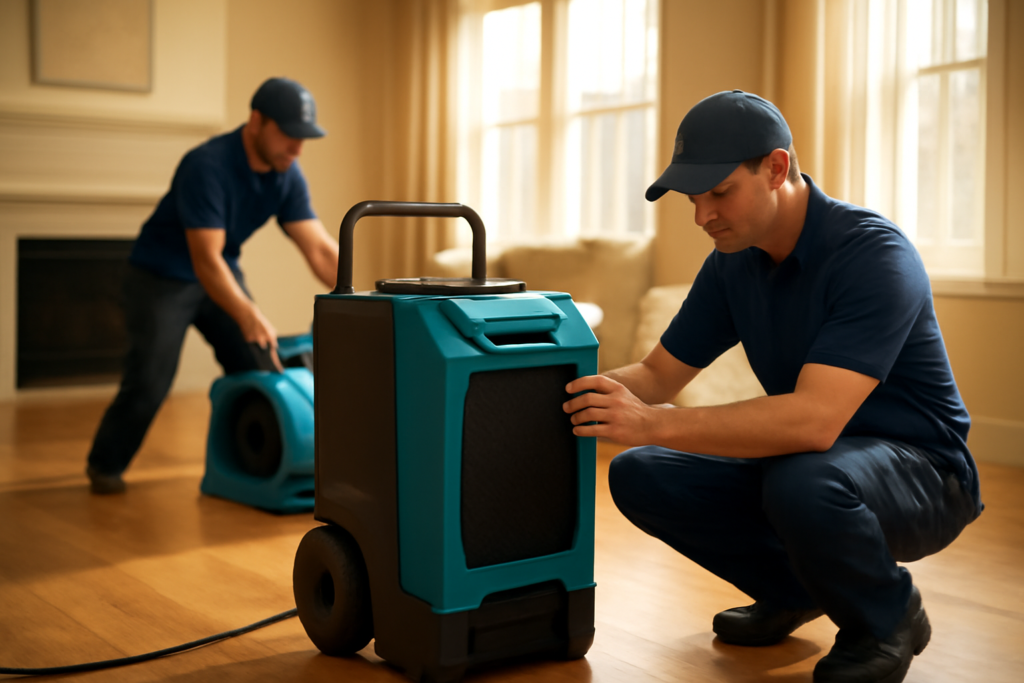
Excess flood insurance is a type of supplemental insurance that covers flood damage beyond the limits of your standard flood policy.
You might need excess flood insurance if you live in a high-risk flood zone or own valuable assets that could be damaged by flooding.
TL;DR:
- Excess flood insurance is extra coverage for flood damage above your base policy limits.
- It’s often an endorsement added to your existing flood insurance or homeowners policy.
- Consider it if you have high-value property or live in an area prone to severe flooding.
- Standard flood insurance has limits, and excess coverage helps bridge that gap.
- Consulting with an insurance agent is key to determining your specific needs.
What Is Excess Flood Insurance and Do You Need It?
Flooding can be a devastating event. When water enters your home, it can cause widespread destruction. Standard flood insurance policies have limits on how much they will pay out. This is where excess flood insurance comes into play. It provides an additional layer of protection for your property.
Many homeowners assume their standard insurance covers all types of water damage. However, this is often not the case. Understanding your existing coverage is the first step. Then, you can assess if you need extra protection.
Understanding Standard Flood Insurance Limits
The National Flood Insurance Program (NFIP) offers flood insurance. It has specific coverage limits. For residential buildings, the maximum coverage is $250,000. For personal belongings, it’s $100,000. These limits might seem high, but they can be quickly surpassed.
If your home’s value or the cost of your belongings exceeds these amounts, you could face a significant financial gap. This is especially true if you live in an area with high flood risk. You might be wondering about the potential water intrusion risks.
When Standard Limits Aren’t Enough
Imagine a major flood event. The damage could easily cost more than $250,000 to repair. Your standard policy would pay up to its limit. You would then be responsible for the remaining repair costs. This can be a huge burden. It’s important to consider interior water damage from such an event.
This is precisely why excess flood insurance exists. It’s designed to cover damages that go beyond these NFIP limits. It offers peace of mind for homeowners with higher-value properties.
What Does Excess Flood Insurance Cover?
Excess flood insurance is typically an endorsement. You can add it to your existing flood insurance policy. It acts as a secondary layer of coverage. It kicks in after your primary flood policy has paid out its maximum amount.
This extra coverage can significantly increase your total protection. It might extend coverage for your building structure. It can also increase coverage for your personal property. The exact amounts vary by policy. You can get coverage well above the standard NFIP limits.
Higher Coverage Amounts
With excess flood insurance, your building coverage could increase substantially. Some policies offer millions of dollars in additional coverage. This is crucial for owners of luxury homes or properties with many expensive possessions.
Similarly, personal property coverage can be boosted. This protects your furniture, electronics, and other valuables. It’s wise to document your belongings. This will help during a storm damage claim.
Who Needs Excess Flood Insurance?
Not everyone needs excess flood insurance. However, certain situations make it a smart investment. The primary factor is your property’s value. If the replacement cost of your home and belongings exceeds standard policy limits, you should consider it.
Your location also plays a big role. Are you in a designated flood zone? Even properties outside high-risk zones can experience flooding. Heavy rains can overwhelm drainage systems.
Living in a Flood Zone
If you reside in an area with a high probability of flooding, excess coverage is highly recommended. Even a moderate flood can cause extensive damage. This is particularly true for basements and garages. You can find information about water intrusion risks in garages.
The NFIP data indicates that floods can happen anywhere. Consistent rainfall or rapid snowmelt can lead to unexpected inundation. Don’t assume you are safe just because you haven’t flooded before.
Owning High-Value Property
Do you have a large home with expensive finishes? Perhaps you own a significant collection of art, jewelry, or electronics. If the total value of these items surpasses the standard $100,000 personal property limit, excess flood insurance is a good idea.
It ensures that your most prized possessions are protected. Without it, you might have to replace these items out-of-pocket. This could be financially crippling.
How to Get Excess Flood Insurance
Getting excess flood insurance usually involves working with an insurance agent. They can help you understand your options. You can often add it as an endorsement to your existing NFIP policy or a private flood insurance policy.
Some private insurance companies offer standalone excess flood insurance policies. These might provide broader coverage or higher limits than NFIP endorsements. An insurance adjuster visit can help assess your property’s value.
Consulting with an Insurance Professional
Your insurance agent is your best resource. They can explain the different types of policies and endorsements available. They will help you determine the right amount of coverage for your needs. They can also explain how it interacts with your existing insurance.
Don’t hesitate to ask questions. Make sure you understand deductibles, coverage limits, and exclusions. This ensures you are making an informed decision.
Comparing Private vs. NFIP Options
NFIP policies have standardized coverage limits. Private flood insurance policies can offer more flexibility. They may provide higher coverage limits and broader protection. However, they can also be more expensive.
Researching both options is important. Compare the costs and benefits carefully. Consider your specific risk factors and financial situation. You want the policy that best suits your circumstances.
Factors to Consider When Buying
When you’re looking at excess flood insurance, several factors are important. Think about the coverage limits again. Do they align with the replacement cost of your home and belongings?
Also, consider the deductible. A higher deductible usually means a lower premium, but you pay more out-of-pocket if a flood occurs. Balance these factors to find a policy that works for your budget and risk tolerance.
Coverage Limits and Deductibles
Ensure the excess coverage limits are adequate. Some policies allow you to select specific coverage amounts. This gives you control over your protection level. Always check the deductible amounts for both your primary and excess policies.
Understanding how deductibles apply in a claim is vital. Sometimes, you pay one deductible, and sometimes two. Clarify this with your agent.
Policy Exclusions and Endorsements
Read the policy carefully. Understand what is and isn’t covered. Are there any specific exclusions that concern you? Are there optional endorsements you should consider adding?
For example, some policies might have limitations on basement contents. Others might offer coverage for additional living expenses if your home becomes uninhabitable. Paying attention to these details is key.
The Role of Professional Restoration
Even with the best insurance, dealing with flood damage is overwhelming. After a flood, the immediate priority is to address the water. Professional restoration services are essential for this.
They have the expertise and equipment to dry out your home efficiently. This helps prevent further damage and mold growth. They can also help with the repair process. They work with your insurance company to restore your property.
Preventing Further Damage
The sooner you address water damage, the better. Professionals can extract standing water quickly. They use specialized drying equipment to remove moisture from walls, floors, and air. This process is critical to mitigating long-term issues.
Ignoring flood damage can lead to serious structural problems and serious health risks. It’s important to call a professional right away.
Working with Insurance and Restoration Pros
Your insurance policy and a restoration company work hand-in-hand. The restoration company assesses the damage. They provide an estimate to your insurance company. This helps streamline the claims process.
Working with experienced professionals ensures the job is done correctly. They understand the complexities of water damage restoration. They can help you navigate the process smoothly. For instance, they can advise on necessary repairs following water intrusion risks in garages.
Proper drainage can also help prevent future issues. Checking your downspout extensions is a good start.
Conclusion
Excess flood insurance offers vital protection for homeowners whose properties exceed standard flood insurance limits. By understanding your coverage needs and consulting with insurance professionals, you can secure the right policy. This ensures your home and belongings are safeguarded against the devastating effects of flooding. If you’re facing flood damage, remember that acting before it gets worse is crucial. Eden Prairie Restoration Pros is a trusted resource for expert advice and professional restoration services, helping you recover and rebuild after a disaster.
What is the main difference between flood insurance and excess flood insurance?
Flood insurance is your primary policy that covers flood damage up to a certain limit. Excess flood insurance is additional coverage that pays for damages exceeding the limits of your primary flood policy. It acts as a secondary safety net.
Can I add excess flood insurance to my homeowners policy?
Sometimes, yes. Excess flood coverage can often be added as an endorsement to your homeowners insurance policy, or it can be added to a standalone flood insurance policy. It depends on the insurer and the specific policy options available.
How much does excess flood insurance typically cost?
The cost of excess flood insurance varies widely. It depends on factors like the amount of coverage you need, your location, the deductible you choose, and the insurance provider. Generally, it’s more affordable than you might think, especially when considering the protection it offers.
What are the coverage limits for excess flood insurance?
Coverage limits for excess flood insurance can be very high. They can extend well beyond the standard $250,000 for the building and $100,000 for contents offered by the NFIP. Some policies can provide millions of dollars in additional coverage.
Do I need an inspection to get excess flood insurance?
While a full inspection isn’t always required to purchase excess flood insurance, your insurance provider will assess your property’s risk factors. This might include your home’s location, construction type, and proximity to water. They use this information to determine your premium and coverage options.

Levi Lemieux is a licensed Damage Restoration Expert with more than 20 years of hands-on experience in disaster recovery and structural mitigation. As a seasoned industry authority, Levi has dedicated two decades to mastering the technical complexities of environmental safety, providing property owners with the reliable expertise and steady leadership required to navigate high-stress property losses with absolute confidence.
𝗖𝗲𝗿𝘁𝗶𝗳𝗶𝗰𝗮𝘁𝗶𝗼𝗻𝘀: Levi holds elite IICRC credentials, including Water Damage Restoration (WRT), Applied Structural Drying (ASD), Mold Remediation (AMRT), Fire and Smoke Restoration (FSRT), and Odor Control (OCT).
𝗙𝗮𝘃𝗼𝗿𝗶𝘁𝗲 𝗣𝗮𝘀𝘁𝗶𝗺𝗲: When off-site, Levi is a passionate mountain biker and an amateur astronomer, hobbies that reflect the endurance and precision he brings to every restoration project.
𝗕𝗲𝘀𝘁 𝗣𝗮𝗿𝘁 𝗼𝗳 𝘁𝗵𝗲 𝗷𝗼𝗯: He finds the most fulfillment in providing a clear path forward for families, turning a site of devastation back into a safe, comfortable home.