Does A Home In A Flood Zone Need Flood Insurance?
Trusted by 155+ Homeowners
Yes, a home in a flood zone absolutely needs flood insurance.
Standard homeowners insurance policies typically do not cover flood damage, making separate flood insurance essential for residents in flood-prone areas.
TL;DR:
- Flood insurance is vital for homes in flood zones as standard policies exclude flood damage.
- Even low-risk areas can experience flooding, so insurance is a wise precaution.
- Flood insurance covers structural damage and belongings, offering financial protection.
- Understanding your policy and acting quickly after a flood are key to recovery.
- Professional restoration services can help mitigate damage and speed up the drying process.
Does a Home in a Flood Zone Need Flood Insurance?
Living in a flood zone brings unique challenges. One of the most pressing questions for homeowners is about insurance. Does a home in a flood zone need flood insurance? The straightforward answer is a resounding yes. Standard homeowners insurance policies are designed to cover many types of damage, but they almost universally exclude damage caused by flooding.
This is a common misconception. Many people believe their existing policy will cover them if their house floods. Unfortunately, this is rarely the case. Flood damage can be devastating, and without the right coverage, the financial burden can be overwhelming. It’s essential to understand what your current policy covers and what it doesn’t. For homes in designated flood zones, this means looking into a separate flood insurance policy.
Why Standard Policies Don’t Cover Floods
Homeowners insurance policies are drafted with specific perils in mind. They typically cover events like fire, windstorms (unless specifically excluded), and theft. Flooding, however, is generally considered a separate and distinct risk. Insurers view flood damage as a widespread event that affects many properties simultaneously, making it a different risk profile than individual incidents.
This exclusion is standard across the industry. It allows insurers to manage their risk effectively. For you, the homeowner, it means being prepared. You need to actively seek out and purchase flood insurance if you live in an area prone to flooding. This proactive step can save you immense stress and financial hardship down the line.
Flood Zones: More Than Just High-Risk Areas
Flood zones are areas identified by the Federal Emergency Management Agency (FEMA) as having a higher risk of flooding. These designations are based on historical data and hydrological studies. However, it’s a myth that only homes in high-risk flood zones need flood insurance. We found that floods can and do occur in areas not typically considered high-risk.
Unexpected heavy rainfall, rapid snowmelt, or even a nearby dam failure can lead to flooding in seemingly safe areas. The reality is that about 25% of all flood insurance claims come from areas with low to moderate flood risk. This highlights that flood risk is not confined to the officially designated zones. Therefore, considering flood insurance is prudent for nearly all homeowners, especially if you’re concerned about potential storm damage claim issues.
What Does Flood Insurance Typically Cover?
Flood insurance policies, often purchased through the National Flood Insurance Program (NFIP) or private insurers, generally provide coverage for two main areas: the building itself and its contents.
Building coverage can help pay for repair or replacement of your home’s foundation, walls, electrical and plumbing systems, central air conditioning, furnaces, water heaters, and detached garages. It also covers permanently installed flooring, cabinetry, and built-in appliances. This is critical for rebuilding after a flood event has caused extensive interior water damage.
Contents coverage is separate and helps pay for the repair or replacement of your personal belongings. This includes furniture, clothing, electronics, curtains, and portable appliances. It’s important to know that building and contents coverage are often separate policies or have separate deductibles, so understanding your specific policy details is key.
Understanding Your Policy Details
When you purchase flood insurance, you’ll be offered different coverage limits. You can choose to insure your building up to its replacement cost or its actual cash value. Replacement cost pays to rebuild your home with similar materials, while actual cash value pays for the depreciated value of the damaged property. For contents, coverage is typically at actual cash value.
It’s also crucial to understand your deductible. This is the amount you pay out-of-pocket before your insurance coverage kicks in. A higher deductible usually means a lower premium, but it also means you’ll pay more if you need to file a claim. Reviewing these details with your insurance agent will help you make an informed decision about the right level of protection for your needs. Don’t hesitate to ask questions before a disaster strikes; it’s a smart financial decision.
What Isn’t Covered by Flood Insurance?
While flood insurance is comprehensive, it’s not all-encompassing. Certain items and costs are typically excluded. Landscaping, swimming pools, decks, patios, and fences are usually not covered. Also, damage caused by mold or mildew that could have been reasonably prevented is often excluded.
Furthermore, flood insurance does not cover additional living expenses (ALE) if you need to temporarily relocate while your home is being repaired. This is a significant difference compared to some standard homeowners policies that might cover ALE under other covered perils. You may need to consider separate coverage or budget for these potential costs if displacement is a concern. It’s wise to discuss all potential costs with an insurance professional.
The Importance of Acting Quickly After a Flood
If your home has experienced flooding, the clock starts ticking immediately. The longer water sits, the more damage it causes. Mold can start to grow within 24-48 hours, posing serious health risks and further damaging your home’s structure. Swift action is crucial to mitigate these effects.
Understanding how pros dry out a flooded home is essential. Professional restoration companies have specialized equipment and expertise to remove water efficiently and thoroughly. They can assess the extent of the damage, including hidden moisture, and begin the drying process. This speeds up recovery and helps prevent long-term issues like structural weakening and mold infestation. You should call a professional right away if you suspect water damage.
When to Consider Professional Restoration
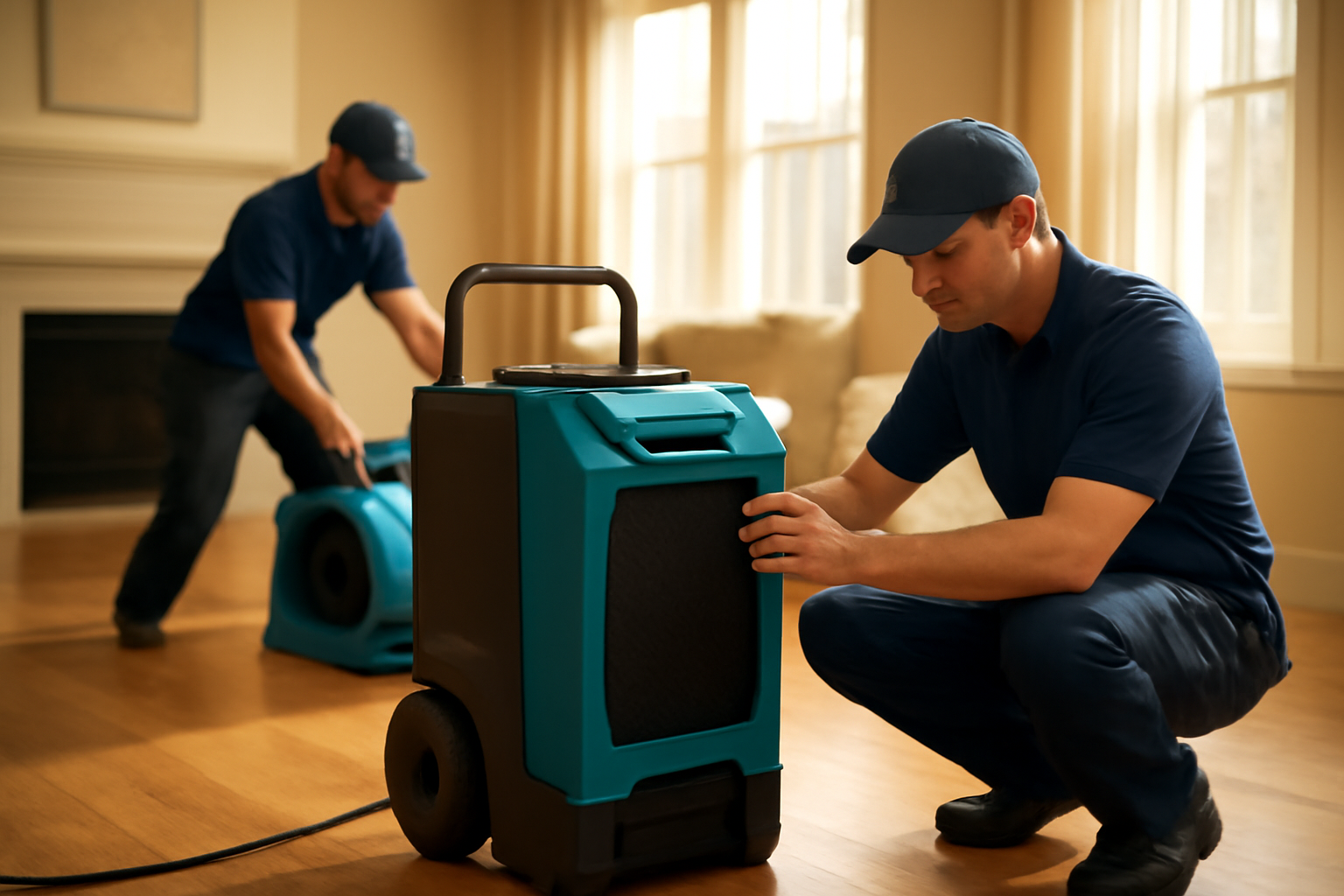
After a flood, the task of drying out your home can seem overwhelming. Professional restoration services are equipped to handle this challenge. They use industrial-grade dehumidifiers, air movers, and moisture meters to ensure your home is dried properly.
They can also address structural damage and help with the necessary repairs. Their expertise ensures that the drying process is completed correctly, which can significantly impact the total time it takes to recover. We found that knowing how long does it take to dry out a flooded room depends heavily on the methods used and the extent of the damage, but professionals can often expedite this.
Preventative Measures for Flood-Prone Homes
While insurance is a safety net, preventative measures can also reduce the risk and severity of flooding. Ensuring your gutters and downspouts are clear and properly extended away from your foundation is a good start. Downspout extensions can help direct rainwater away from your home’s base, reducing the likelihood of basement flooding.
Regularly inspecting your foundation for cracks and sealing them can also prevent water from seeping in. For those with garages, which are often the lowest point of a home, understanding garage water damage prevention is also key. Checking sump pumps and ensuring proper drainage around the garage can make a big difference.
| Flood Zone Status | Standard Homeowners Insurance | Flood Insurance |
|---|---|---|
| High-Risk Flood Zone | Typically Does Not Cover Flood Damage | Highly Recommended; Often Required by Lenders |
| Moderate to Low Risk Flood Zone | Typically Does Not Cover Flood Damage | Recommended for Protection Against Unexpected Flooding |
Navigating the Insurance Claim Process
If you experience a flood, filing a claim promptly is crucial. Gather any documentation you have, such as photos or videos of the damage. Your insurance adjuster will then visit your property to assess the extent of the damage. This is where having a detailed inventory of your belongings can be very helpful during an insurance adjuster visit.
Understanding the claims process and what information is needed can make it smoother. Keep records of all communications with your insurance company. If you have concerns about the assessment or the settlement offer, don’t hesitate to seek clarification or consult with a public adjuster. Remember, the goal is to get your home and belongings restored to their pre-flood condition. This is why understanding water intrusion risks is so important for your property.
Making the Right Choice for Your Property
Ultimately, the decision to purchase flood insurance, especially if you’re in a flood zone, is about protecting your most significant investment. While it’s an additional cost, the potential financial devastation from uncovered flood damage can far outweigh the premium. We found that many homeowners wish they had purchased flood insurance after experiencing a flood event.
It’s a vital component of a complete insurance strategy. Don’t wait until the water is at your doorstep. Taking steps now to secure adequate flood insurance and understand the restoration process can provide immense peace of mind. It’s about being prepared for the unexpected and ensuring you have the resources to recover. This is a key part of managing interior water damage effectively.
Can You Mitigate Flood Damage Without Insurance?
While insurance is the primary financial safety net, some mitigation steps can be taken. These include reinforcing your home’s foundation, installing flood vents, and elevating critical utilities. Maintaining your property, like ensuring proper grading and drainage, can also help. However, these measures do not replace the financial protection that flood insurance provides, especially for significant damage.
For instance, even with excellent drainage, severe weather can overwhelm systems. In such cases, the cost of repairs can be astronomical. Relying solely on preventative measures without insurance leaves you vulnerable to catastrophic financial loss. It’s always best to have both a proactive approach to prevention and a robust insurance plan. Remember, understanding water intrusion risks is the first step in protecting your home.
Conclusion
A home in a flood zone absolutely needs flood insurance. Standard homeowners policies do not cover flood damage, making it a critical coverage gap for residents in flood-prone areas. Even homes outside designated flood zones can experience flooding, so flood insurance is a wise consideration for many. It provides essential financial protection for your home’s structure and your personal belongings, helping you recover from devastating events. Understanding your policy, acting quickly after a flood, and partnering with professionals like Eden Prairie Restoration Pros can make all the difference in restoring your property.
What is the difference between flood insurance and homeowners insurance?
Flood insurance specifically covers damage caused by flooding, which is typically excluded from standard homeowners insurance policies. Homeowners insurance covers a broader range of perils like fire, wind, and theft, but not flood events.
Can I get flood insurance if I don’t live in a flood zone?
Yes, you can purchase flood insurance even if you don’t live in a designated flood zone. Many insurance providers offer policies for low to moderate-risk areas, as floods can occur anywhere.
How much does flood insurance cost?
The cost of flood insurance varies based on factors like your location, the elevation of your home, the coverage amount, and your deductible. Premiums can range from a few hundred to several thousand dollars per year.
What should I do immediately after a flood?
After a flood, prioritize your safety. Then, document the damage with photos or videos and contact your insurance agent to file a claim. Begin the cleanup process as soon as it’s safe, but avoid discarding damaged items until an adjuster has assessed them.
Does flood insurance cover basement damage?
Yes, flood insurance typically covers damage to basements, including structural components like the foundation walls and any permanently installed items like furnaces or water heaters. Coverage for contents in a basement may be limited to actual cash value.