
What Is The Average Payout For Water Damage Claims?
Trusted by 155+ Homeowners
The average payout for water damage claims can range widely, often from a few thousand dollars to tens of thousands, depending on the severity and type of damage.
Understanding what influences your water damage claim payout is key to managing your expectations and ensuring you receive fair compensation for repairs.
TL;DR:
- Water damage claim payouts vary greatly, typically from $1,000 to $10,000+, but can be much higher for severe cases.
- Factors like the source of water, extent of damage, and your insurance policy details heavily influence the payout.
- Standard homeowners insurance covers sudden, accidental water damage but usually excludes floods and poor maintenance.
- You’ll need to factor in your deductible, and some policies have limits on specific types of water damage.
- Acting fast to mitigate damage and documenting everything thoroughly are crucial for a smoother claims process.
What Is the Average Payout for Water Damage Claims?
It’s a question many homeowners ask after a pipe bursts or a storm hits: “What can I expect to get from my insurance company for water damage?” The honest answer is that there’s no single, easy number. We found that the average payout for water damage claims can swing wildly. For minor incidents, you might see payouts in the low thousands. For more extensive damage, it can easily climb into the tens of thousands, or even more.
Understanding the Variables in Your Claim
Why such a big difference? Several factors play a role. Think of it like a recipe; every ingredient affects the final dish. The source of the water is a big one. Did a pipe burst inside your home, or did floodwaters inundate your property? This distinction is vital for insurance coverage.
Source of Water Matters
Generally, damage from internal sources like a broken pipe, a faulty appliance, or an overflowing toilet is more likely to be covered by standard homeowners insurance. This is often called “sudden and accidental” water damage. On the other hand, water damage from external flooding, sewer backups (unless you have specific riders), or groundwater seepage is typically excluded. This is why understanding your policy is so important.
The Extent of the Damage
The sheer amount of damage is, of course, a primary driver. A small patch of wet carpet is a world away from a flooded basement with structural compromise. We found that the scope of the affected areas and the depth of the water directly impact repair costs. This includes damage to walls, floors, ceilings, furniture, and personal belongings.
Does Homeowners Insurance Cover Water Damage?
This is the million-dollar question, right? Most standard homeowners insurance policies do cover certain types of water damage. This usually includes damage from internal plumbing failures, appliance malfunctions, and burst pipes. However, there are significant exclusions. Most policies will NOT cover damage from floods, hurricanes, or water damage resulting from poor maintenance or neglect. It’s essential to know what insurance covers and what it doesn’t.
What Insurance Typically Doesn’t Cover
Damage caused by poor maintenance, like a leaky roof you’ve ignored for years, is often denied. Similarly, gradual leaks that cause mold over time might not be covered. Flood damage requires a separate flood insurance policy. Sewer backups can also be excluded unless you have specific endorsement on your policy. Understanding these limitations helps manage expectations about potential out-of-pocket costs.
Factors Influencing Your Payout Amount
Beyond the source and extent of damage, several other elements shape how much you receive. Your insurance policy’s limits and deductibles are major players. A higher deductible means you’ll pay more upfront before insurance kicks in. Policy limits dictate the maximum amount your insurer will pay for a covered loss.
Policy Limits and Deductibles
We found that understanding your policy’s dwelling coverage, personal property coverage, and any specific water damage endorsements is critical. If your claim exceeds these limits, you’ll be responsible for the difference. Your deductible is the fixed amount you pay for each claim. For example, a $1,000 deductible means you pay the first $1,000 of the covered repair costs.
Restoration Costs Involved
The actual cost of repairs is what the insurance company aims to cover. This can include water extraction, drying, mold remediation, structural repairs, and replacement of damaged materials. The complexity of the job directly impacts the total bill. For instance, water damage repair cost by room: a full breakdown shows how different areas can incur vastly different expenses.
Common Scenarios and Payout Ranges
Let’s break down some typical situations. A burst washing machine hose might cause a few thousand dollars in damage to flooring and drywall. A leaking pipe in a wall could be similar, depending on how long it went unnoticed. A major sewage backup or a flooded basement due to heavy rain (if covered) can easily run into tens of thousands.
Minor vs. Major Incidents
Minor leaks, like a small pipe drip, might only cost a few hundred dollars to fix, and your insurance might not even be worth involving due to the deductible. Major incidents, such as a burst main water line flooding multiple rooms and affecting the foundation, can result in payouts of $20,000, $50,000, or even more. The restoration cost factors are numerous and can quickly add up.
Specific Damage Types
Damage to different parts of your home also affects costs. For example, attic water damage: causes signs and what it costs can sometimes be more complex due to accessibility and potential structural impacts. The type of flooring, the extent of mold growth, and the need for structural drying all contribute to the final repair bill and, consequently, the claim payout.
What Drives the Cost of Water Damage Cleanup?
The cleanup process itself is a significant part of the overall expense. This involves specialized equipment and trained professionals. The quicker the response, the less damage typically occurs. However, the longer water sits, the more it spreads and the deeper it penetrates materials, leading to higher costs.
Professional Restoration Services
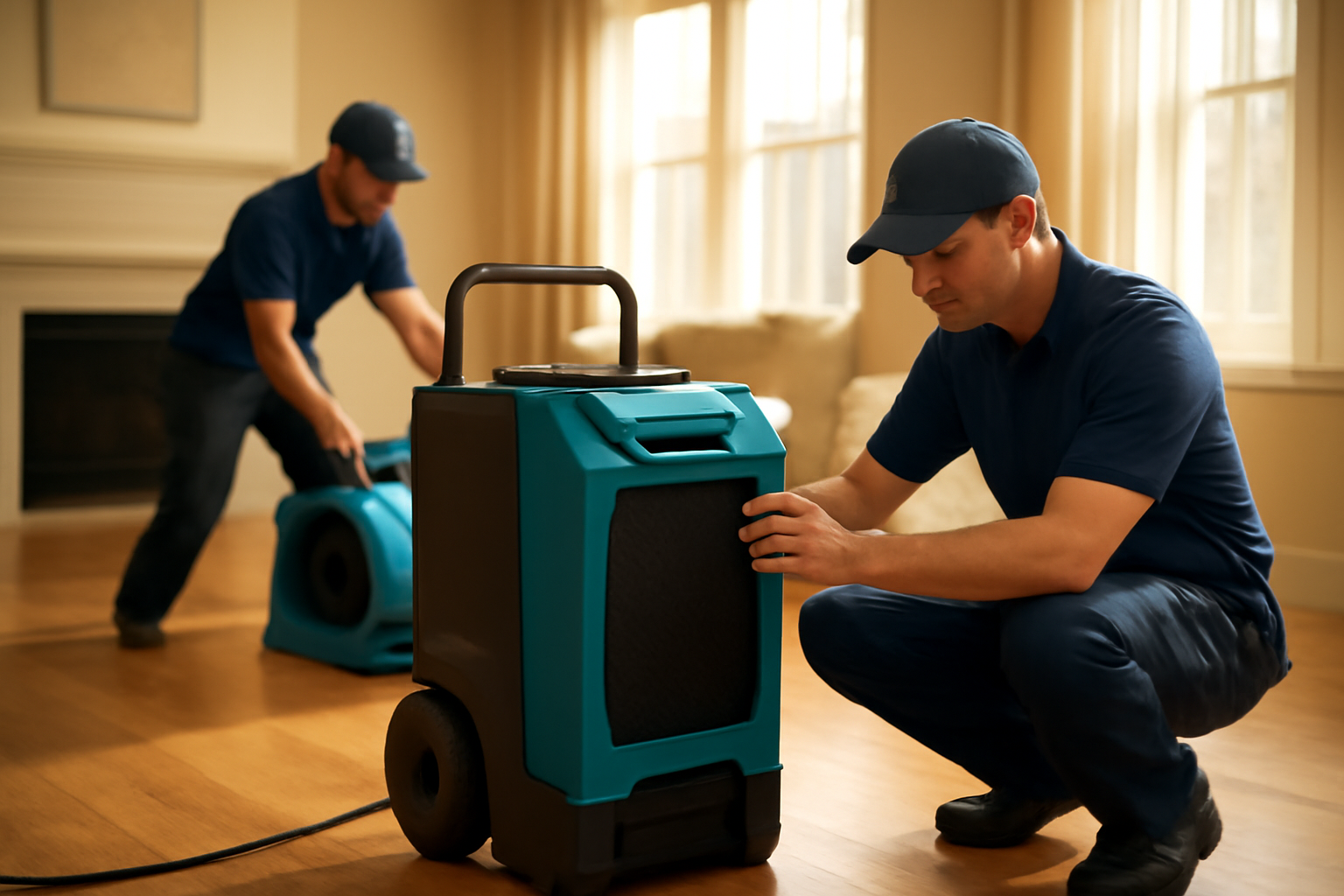
Services like water extraction, dehumidification, and air scrubbing are essential. They prevent further damage and mold growth. The size of the affected area and the duration of the water exposure directly influence how much work is needed. These are key restoration cost factors that insurers will consider.
Mold and Structural Concerns
If water damage leads to mold growth, the remediation process can significantly increase costs. Mold can spread rapidly and requires specialized treatment. Structural damage, such as weakened joists or compromised drywall, also adds to the expense. These are often the most costly aspects of water damage repair.
Maximizing Your Water Damage Claim Payout
So, how can you ensure you get the most out of your claim? Acting quickly is paramount. The sooner you address the water damage, the less severe it will likely become. Document everything meticulously. Take photos and videos of the damage before any cleanup begins.
Keep detailed records of all communication with your insurance company and any restoration professionals. Understand your policy thoroughly. If you’re unsure about anything, don’t hesitate to ask your insurance agent or a public adjuster for clarification. Remember, it’s your right to seek fair compensation for covered losses.
Your Checklist for a Smoother Claim
- Assess the situation: Identify the source of the water.
- Mitigate further damage: Stop the water flow if possible and remove standing water.
- Document everything: Take clear photos and videos of all affected areas and belongings.
- Contact your insurer: Report the claim promptly.
- Hire a professional: Get estimates from reputable restoration companies.
- Review your policy: Understand your coverage, limits, and deductible.
When to Call Professionals
Dealing with water damage can be overwhelming. For anything beyond a minor spill, it’s wise to call a professional right away. Restoration companies have the expertise and equipment to handle the situation efficiently and safely. They can also help document the damage accurately for your insurance claim. This can save you time, stress, and potentially money in the long run.
| Type of Water Damage | Typical Payout Range (Estimate) | Key Considerations |
|---|---|---|
| Minor Leak (e.g., small pipe drip) | $500 – $2,000 | Often below deductible; focus on DIY or minor repairs. |
| Appliance Malfunction (e.g., washing machine hose) | $2,000 – $7,000 | Damage to flooring, subfloor, drywall. |
| Burst Pipe/Plumbing Failure | $5,000 – $25,000+ | Can affect multiple rooms, structural components. |
| Severe Basement Flooding (from internal source) | $10,000 – $50,000+ | Extensive structural damage, mold risk, potential foundation issues. |
| Flood Damage (External) | Not covered by standard policy | Requires separate flood insurance; payouts vary greatly by policy. |
Conclusion
The average payout for water damage claims is highly variable, influenced by the water source, the extent of damage, your insurance policy details, and the associated restoration costs. While it’s impossible to give a precise figure without assessing your specific situation, understanding these factors can help you navigate the claims process more effectively. If you’re facing water damage, remember that acting fast and documenting everything is crucial. For expert assistance in assessing and restoring water-damaged properties in the Eden Prairie area, Eden Prairie Restoration Pros is a trusted resource dedicated to helping you recover.
What is the typical deductible for water damage claims?
Deductibles for water damage claims vary based on your insurance policy. Many policies have a standard deductible, often ranging from $500 to $2,500. Some policies might have separate deductibles for specific perils, like wind or hail damage, which could be a percentage of your home’s value. Always check your policy documents or speak with your insurance agent to confirm your specific deductible amount.
How long does a water damage claim typically take to settle?
The timeline for settling a water damage claim can vary significantly. Minor claims with clear damage and straightforward repairs might be settled within a few weeks. However, more complex cases involving extensive structural damage, disputes over repair costs, or the discovery of additional issues like mold can take several months. Prompt communication and providing all necessary documentation can help speed up the process.
Can I make repairs myself before the insurance adjuster arrives?
You should take immediate steps to prevent further damage, such as turning off the water supply or removing standing water if it’s safe to do so. However, it’s generally best to avoid making permanent repairs before the insurance adjuster has inspected the damage. Document the damage thoroughly with photos and videos. If emergency repairs are absolutely necessary for safety or to prevent further loss, keep detailed records and receipts for those costs.
What if my insurance company denies my water damage claim?
If your insurance company denies your claim, don’t panic. First, review the denial letter carefully to understand the reason for denial. If you believe the denial is unjustified, you have the right to appeal. Gather any additional documentation or evidence that supports your claim. You may also consider seeking advice from a public adjuster or an attorney specializing in insurance claims. They can help you understand your rights and options.
Does the type of water (clean, gray, black) affect my claim payout?
Yes, the type of water significantly impacts coverage and cleanup costs, which in turn affects claim payouts. Clean water damage (from a burst pipe, for example) is generally easier and less expensive to remediate. Gray water (from a washing machine or dishwasher) contains some contaminants. Black water (from sewage backups or floodwaters) is highly contaminated and poses serious health risks, requiring specialized, more expensive cleanup and often having different coverage implications.