
Trusted by 155+ Homeowners
How To Use An Itemized Damage Inventory For Claims
- Over 157 5-Star Reviews
- Free Estimates and Quotes
- 100% Satisfaction Guaranteed
- Child, Family & Pet Safe Steps
- 24-Hour Emergency Service
- Fully Licensed & Insured
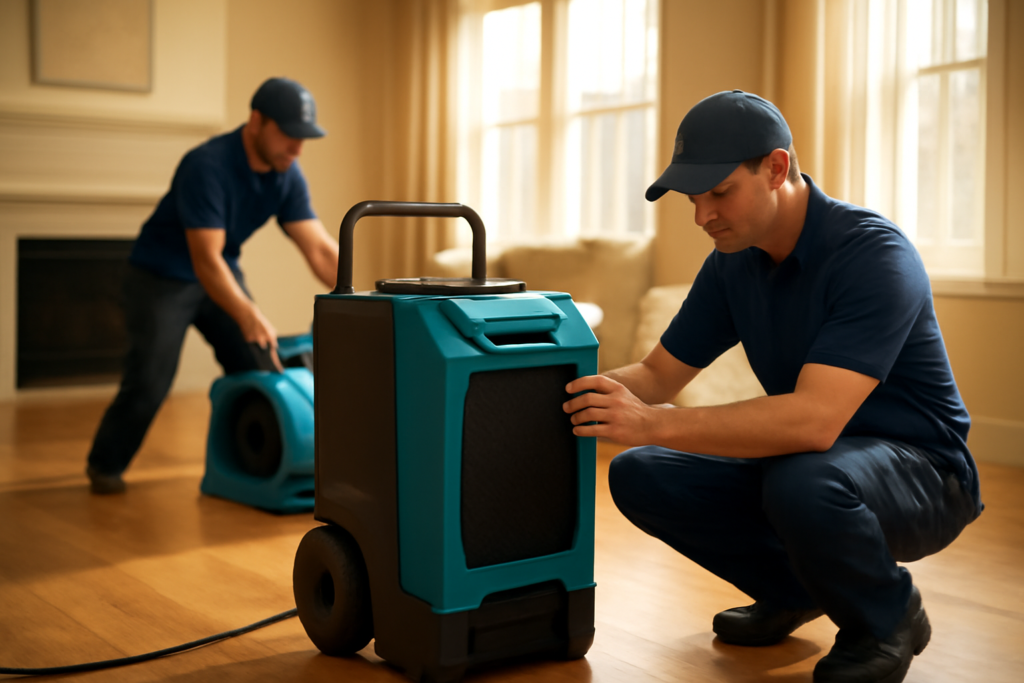
An itemized damage inventory is a detailed list of everything damaged during an event. It’s essential for insurance claims to accurately document losses.
Using an itemized damage inventory helps ensure you receive fair compensation for your property loss. It provides a clear record for insurance adjusters.
TL;DR:
- Create a detailed list of all damaged items.
- Include descriptions, quantities, and estimated values.
- Gather proof like photos, videos, and receipts.
- Organize your inventory by room or item type.
- Be thorough to ensure a complete insurance claim.
How to Use an Itemized Damage Inventory for Claims
When disaster strikes your home, the aftermath can be overwhelming. Dealing with repairs and insurance claims is stressful. A key tool in this process is an itemized damage inventory. This document is your best friend when filing a claim. It helps paint a clear picture of your losses for the insurance company.
What is an Itemized Damage Inventory?
Think of it as a thorough catalog of everything affected by the damage. This includes structural elements, personal belongings, and any other property that was harmed. It’s more than just a quick list. It requires detail to be truly effective.
Why is it So Important?
Insurance adjusters need clear documentation to process your claim. An itemized inventory provides this. It helps them understand the scope of the damage. This leads to a more accurate assessment of your loss. Without it, you might miss out on compensation. It’s vital for a smooth insurance claim process.
Accuracy is Key for Your Payout
The more accurate and detailed your inventory, the better. This helps avoid disputes later. It also speeds up the claim settlement. You want to ensure every damaged item is accounted for. This is especially true for personal property where values can add up.
Getting Started: The First Steps
Once you’ve ensured your safety and contacted emergency services if needed, it’s time to start documenting. Don’t wait too long, especially if the damage is from water or fire. Lingering issues can worsen and complicate the claim.
Safety First!
Before you start taking inventory, make sure the area is safe. If there are structural concerns or hazards like live wires, stay out. Your safety is the absolute priority. You can’t document damage if you’re injured.
Initial Documentation
Start with photos and videos. Capture the overall damage. Then, get close-ups of specific items and areas. This visual evidence is powerful. It shows the condition of your property before extensive cleanup or repairs begin. This is a critical step before the insurance adjuster visit.
Building Your Itemized Inventory List
Now, let’s get down to creating the actual list. You can use a notebook, a spreadsheet, or specialized software. Whatever method you choose, consistency is important.
What Information to Include
For each damaged item, record several key details. This includes:
- Item description (e.g., “Sony 55-inch LED TV”)
- Brand and model number (if known)
- Quantity (e.g., “1”)
- Approximate age of the item
- Original purchase price (if you have receipts)
- Estimated current value (what it would cost to replace)
- Description of the damage (e.g., “screen cracked,” “water-soaked upholstery”)
Having this data helps establish the value of your loss. For electronics, model numbers are very helpful. For furniture, knowing the brand can be important.
Organizing Your Inventory
Group items logically. You can organize by room (e.g., “Living Room,” “Kitchen”). Or, you can group by item type (e.g., “Electronics,” “Furniture,” “Clothing”). This makes the list easier to read and review. It helps the adjuster see the scope of damage in each area.
Gathering Supporting Documents
Your list is a great start, but supporting documents strengthen your claim. These items provide proof of ownership and value. They are essential for a successful storm damage claim.
Receipts and Proof of Purchase
Dig out any receipts you have for valuable items. This is the best proof of what you paid. Even if you don’t have receipts for everything, try to find them for major purchases. This is especially true if you’re dealing with storm damage claim scenarios.
Photos and Videos
As mentioned, visual evidence is crucial. Make sure your photos and videos clearly show the damage. Include context so the adjuster understands the situation. If you have “before” photos, that’s even better.
Owner’s Manuals and Warranties
These can also help identify items and their value. They sometimes contain model numbers and specifications. This information is useful for replacement cost estimates.
Dealing with Specific Types of Damage
Different types of damage require slightly different approaches to inventorying.
Water Damage Inventory
When dealing with water damage, document everything that got wet. This includes furniture, carpets, drywall, and personal items. Be aware that some water damage might not be immediately obvious. You may need to consider insurance adjuster visit for thorough assessment.
Fire Damage Inventory
Fire damage can be extensive. Smoke can permeate everything. Document items that are burned, melted, or coated in soot. Even items that appear salvageable may have smoke odor that requires professional cleaning. This is important when considering insurance adjuster visit.
Mold Damage Inventory
If you discover mold, document its location and extent. Mold can be a serious health concern. It’s important to understand mold insurance coverage. You might be filing a mold claim separately or as part of a larger event. A professional assessment is often needed.
What About Valuables and Collectibles?
For high-value items like jewelry, art, or collectibles, special care is needed. Insurance policies often have limits on these items. You may need a separate appraisal or rider on your policy. Document these items with extreme detail. Include photos and any appraisal documents you have. This helps ensure you get appropriate compensation, especially if you’re considering filing a claim.
When to Call Professionals
Creating an itemized damage inventory can be a daunting task. It requires time, attention to detail, and knowledge of property values. If the damage is extensive, or if you’re unsure about the process, consider hiring a public adjuster or contacting a restoration company.
Restoration professionals can help with the documentation process. They have experience working with insurance companies. They can ensure your inventory is thorough and accurate. This is especially helpful for complex claims like those involving significant water intrusion. You might wonder, does insurance cover basement flooding? Professionals can help you navigate these questions.
| Damage Type | Key Inventory Points | Supporting Documents |
|---|---|---|
| Water Damage | Saturated items, structural damage, mold growth | Photos of water lines, moisture meter readings |
| Fire Damage | Burned, melted, smoke-damaged items | Photos of soot, charring, structural compromise |
| Mold Damage | Location, size, type of mold | Professional mold inspection report, photos |
| Storm Damage | Roof damage, window breaks, debris impact | Photos of exterior damage, fallen trees |
Making Your Inventory Work for You
Your itemized damage inventory is a living document. Update it as you discover more damage or as repairs progress. Keep copies in a safe place, both physically and digitally. This ensures you have access to it even if your home is inaccessible.
Remember, the goal is to be as thorough as possible. This document is your best tool for a fair settlement. It helps you communicate the full extent of your loss to the insurance company. It’s a critical step in getting your life back to normal.
Checklist for Your Damage Inventory
- Ensure personal safety before starting.
- Take extensive photos and videos of all damage.
- List every damaged item with detailed descriptions.
- Include brand, model, and age where possible.
- Estimate replacement costs for each item.
- Gather receipts, manuals, and warranties.
- Organize your inventory logically (by room or type).
Conclusion
An itemized damage inventory is a powerful tool for navigating insurance claims. By meticulously documenting every damaged item, you provide clear evidence of your losses. This thoroughness can lead to a more accurate assessment and a fairer settlement. If you’re facing property damage, remember that detailed documentation is your ally. For assistance with damage assessment and restoration, consider reaching out to a trusted resource like Eden Prairie Restoration Pros. We understand the importance of accurate documentation for your insurance claim.
What is the first thing I should do after discovering damage?
The very first thing you should do is ensure everyone’s safety. If there is any immediate danger, evacuate the property. Then, contact emergency services if necessary. After safety is confirmed, begin documenting the damage with photos and videos before any cleanup or repairs begin.
How detailed does my inventory need to be?
Your inventory needs to be as detailed as possible. Include the item’s description, brand, model, age, original cost, estimated replacement cost, and a clear description of the damage. The more detail you provide, the stronger your claim will be.
Can I include items that weren’t directly damaged but were affected by smoke or water?
Yes, absolutely. Even if an item wasn’t directly destroyed, if it was affected by smoke, soot, or water, it should be included. Document any odors, staining, or subtle damage. Professional cleaning may still be necessary, and these costs should be accounted for.
What if I don’t have receipts for all my belongings?
It’s common not to have receipts for everything. In such cases, you can estimate the original cost and replacement value. Use online resources to research similar items. Photos of the item in your home can also help prove ownership and condition. Your insurance policy will outline how they handle items without receipts.
Should I start cleaning or repairs before the adjuster visits?
Generally, it’s best to wait for the insurance adjuster to visit before starting significant cleaning or repairs, especially for major damage. However, you should take steps to prevent further damage, such as covering a damaged roof with a tarp or removing standing water. Keep receipts for any emergency mitigation work you perform.

Levi Lemieux is a licensed Damage Restoration Expert with more than 20 years of hands-on experience in disaster recovery and structural mitigation. As a seasoned industry authority, Levi has dedicated two decades to mastering the technical complexities of environmental safety, providing property owners with the reliable expertise and steady leadership required to navigate high-stress property losses with absolute confidence.
𝗖𝗲𝗿𝘁𝗶𝗳𝗶𝗰𝗮𝘁𝗶𝗼𝗻𝘀: Levi holds elite IICRC credentials, including Water Damage Restoration (WRT), Applied Structural Drying (ASD), Mold Remediation (AMRT), Fire and Smoke Restoration (FSRT), and Odor Control (OCT).
𝗙𝗮𝘃𝗼𝗿𝗶𝘁𝗲 𝗣𝗮𝘀𝘁𝗶𝗺𝗲: When off-site, Levi is a passionate mountain biker and an amateur astronomer, hobbies that reflect the endurance and precision he brings to every restoration project.
𝗕𝗲𝘀𝘁 𝗣𝗮𝗿𝘁 𝗼𝗳 𝘁𝗵𝗲 𝗷𝗼𝗯: He finds the most fulfillment in providing a clear path forward for families, turning a site of devastation back into a safe, comfortable home.