
Trusted by 155+ Homeowners
What Should I Grab First When Leaving A Flooded Home?
- Over 157 5-Star Reviews
- Free Estimates and Quotes
- 100% Satisfaction Guaranteed
- Child, Family & Pet Safe Steps
- 24-Hour Emergency Service
- Fully Licensed & Insured
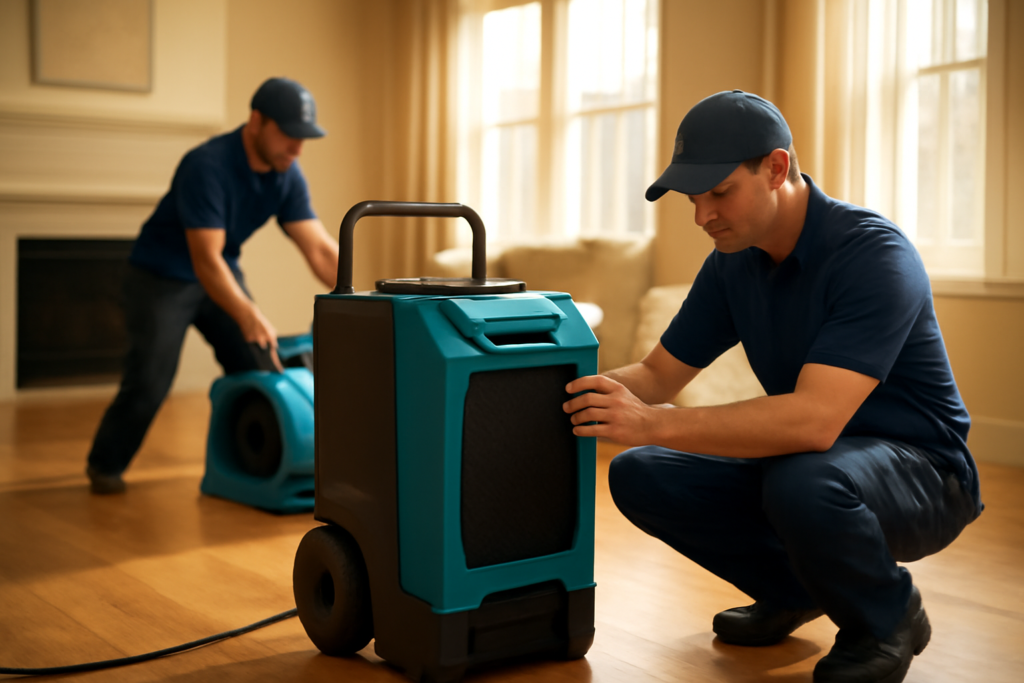
When leaving a flooded home, prioritize grabbing essential personal items and documents. Safety is your absolute top concern.
Focus on what you can carry quickly to ensure your immediate well-being and the protection of vital records.
TL;DR:
- Grab your wallet, keys, phone, and essential medications first.
- Secure important documents like IDs, passports, and insurance papers.
- Pack a small bag with a change of clothes and toiletries if time allows.
- Prioritize personal safety and follow evacuation orders if given.
- Contact professionals for water damage assessment and cleanup once safe.
What Should I Grab First When Leaving a Flooded Home?
Facing a flooded home is incredibly stressful. Your mind races with a million things. But when you need to evacuate, knowing what to grab first can make a big difference. It’s about safety and preserving what matters most.
Immediate Safety and Essentials
Your personal safety is always the number one priority. If you are told to evacuate, do so immediately. Don’t try to gather too many things. Once you are in a safe place, you can think about your belongings. But if you have a moment to grab a few things, start with the absolute essentials for your survival and immediate needs.
The Absolute Must-Haves
Think about what you need for the next 24-48 hours. This usually includes your wallet or purse. Inside, you’ll find your identification, credit cards, and some cash. Your mobile phone is critical for communication. Make sure it’s charged if possible. Also, grab any essential medications. This includes prescriptions and over-the-counter items you rely on daily. Not having these can lead to serious health issues.
Protecting Vital Documents
After immediate personal needs, focus on irreplaceable documents. These are often the hardest to replace. They are crucial for insurance claims and rebuilding your life. You want to protect them from further harm.
Securing Important Papers
Locate a waterproof bag or container if you have one readily accessible. This can protect documents from water and damage. Grab your identification documents like driver’s licenses and passports. Don’t forget insurance policies, especially your homeowner’s or renter’s insurance. Birth certificates and social security cards are also vital. If you have deeds or titles to property, try to grab those too. These items are the backbone of recovery efforts.
A Quick Go-Bag Option
If you have a pre-packed emergency bag, grab it! If not, and you have a few extra seconds, quickly stuff a backpack or duffel bag with a few key items. This is about having a basic comfort kit while you’re displaced.
What to Include in a Makeshift Bag
A change of clothes is a good start. Include underwear and socks. Basic toiletries like a toothbrush and toothpaste can make a big difference. If you have a portable phone charger, that’s a smart addition. A small first-aid kit can also be useful for minor injuries.
When Water Intrusion Becomes a Major Problem
Flooding can happen suddenly and with little warning. Understanding the potential for water intrusion risks is key to preparedness. Whether it’s a burst pipe in winter or heavy rains, rapid response is vital. The longer water sits, the more damage it causes.
Understanding Water Damage Risks
Water doesn’t just make things wet; it can weaken structures and create hazards. Electrical systems can become dangerous. Mold can start to grow within 24-48 hours, posing serious health risks. This is why quick action, both in evacuation and in contacting professionals, is so important.
What to Leave Behind (and Why)
It’s tough to leave possessions behind. But some items are not worth risking your safety for. Large furniture, non-essential electronics, and sentimental items that are not easily portable should generally be left. Your life and health are far more important than any material object. Trying to carry too much can slow you down and increase your risk.
The Importance of Professional Help
Once you are in a safe location, the next step is to assess the damage. This is where professionals come in. They have the tools and expertise to handle water-damaged properties safely.
Assessing the Situation Safely
Do not re-enter a flooded building until authorities say it is safe. Even then, be cautious. Professionals can assess the structural integrity and identify hidden dangers. They understand how pros dry out a flooded home: step by step. This process is complex and requires specialized equipment.
Preventing Future Flooding
While focusing on immediate needs, it’s also wise to think about prevention. Small steps can make a big difference in reducing future damage. Regular maintenance can prevent many common issues.
Simple Prevention Tips
Ensure your gutters and downspouts are clear. Consider extending your downspouts away from your foundation. Research shows that downspout extensions: do they really prevent flooding can help direct water away. Checking for leaks in your plumbing and appliances regularly is also wise. Addressing small issues before they become major problems can save you a lot of trouble.
Dealing with Specific Areas
Different areas of your home present unique challenges during a flood. The garage, for instance, often contains hazardous materials and can be a source of extensive damage.
Garage Water Damage Considerations
Garages can flood from external sources or internal leaks. Understanding garage water damage: flooding leaks and prevention is essential for homeowners. Items stored there, like vehicles and stored goods, can suffer severe damage. Always consider the potential for hazardous materials if the garage floods.
Seasonal Water Damage Concerns
The time of year can also influence the type of flooding you experience. Winter months bring their own set of risks that can lead to significant interior water damage.
Winter Water Damage Risks
During colder months, winter water damage: ice dams and pipe bursts can be a major concern. Frozen pipes can burst, causing sudden and extensive flooding. Ice dams can force water under roofing materials. Being aware of these seasonal threats can help you prepare.
The Drying Process Timeline
Once the water is removed, the drying process begins. This is a critical phase to prevent mold and further structural damage. The time it takes can vary greatly.
How Long Does Drying Take?
The duration of the drying process depends on many factors. These include the extent of the flooding and the materials affected. Experts often use specialized equipment for efficient drying. Understanding how long does it take to dry out a flooded room is important for setting expectations. It can take days, or even weeks, for a property to be fully dry.
Checklist: What to Grab in a Flood Evacuation
Here’s a quick checklist to help you remember the essentials:
- Wallet/Purse (ID, cash, cards)
- Mobile Phone and Charger
- Essential Medications
- Important Documents (IDs, insurance, deeds)
- Keys (home, car)
- A change of clothes
- Basic toiletries
- Any vital personal items (e.g., glasses, hearing aids)
The Professional Cleanup Process
After you’ve evacuated and secured your immediate needs, professional restoration is key. They will handle the water extraction, drying, and sanitation.
Expert Water Damage Restoration
Professionals have the training to deal with all types of water damage. They can assess the situation and create a plan for restoration. This ensures that the job is done correctly and safely. They know how pros dry out a flooded home: step by step. This methodical approach prevents secondary issues like mold growth.
Conclusion
When a flood forces you to leave your home, acting quickly and prioritizing safety is paramount. Grab your essentials, vital documents, and medications first. Then, once you are safe, contact trusted professionals to handle the cleanup and restoration. Dealing with water damage can be overwhelming, but knowing what to do can make the process smoother. For expert assistance and peace of mind after a flood, consider reaching out to Eden Prairie Restoration Pros. They are equipped to help you navigate the challenges of water damage and get your home back to normal.
What if my phone is not charged?
If your phone isn’t charged, prioritize finding a power source as soon as you are in a safe location. If that’s not immediately possible, try to find a landline or ask someone nearby if you can use their phone to contact family or emergency services. Communication is key, so finding a way to connect should be a high priority once your immediate safety is secured.
Should I try to save sentimental items?
While sentimental items are incredibly important, your safety always comes first. If you have a moment and can safely grab a small, easily portable sentimental item, do so. However, do not delay your evacuation or put yourself at risk to retrieve things like photo albums or heirlooms. These can sometimes be replaced or restored later, but your well-being cannot.
What if I have pets?
If you have pets, include them in your evacuation plans. Grab their food, water, leash, carrier, and any essential medications. Ensure they are safely contained before you leave. Your pets are family, and their safety is just as important as your own. Have a plan in place for them before an emergency strikes.
Can I turn off the water main myself?
If you know where your water main shut-off valve is and can safely access it without entering dangerous flooded areas, turning it off can help prevent further flooding. However, if the area is flooded or you are unsure how to do it, do not risk it. Your immediate evacuation is more important. Professionals can handle shutting off water sources when they arrive.
What if I don’t have a waterproof bag for documents?
If you don’t have a dedicated waterproof bag, look for any plastic bag, container, or even wrap documents in plastic wrap if you have a moment. The goal is to create a barrier against moisture. Even a simple plastic grocery bag can offer some protection if you are quick. If time is extremely limited, grab the documents themselves and protect them as best you can once you are in a safe location.

Levi Lemieux is a licensed Damage Restoration Expert with more than 20 years of hands-on experience in disaster recovery and structural mitigation. As a seasoned industry authority, Levi has dedicated two decades to mastering the technical complexities of environmental safety, providing property owners with the reliable expertise and steady leadership required to navigate high-stress property losses with absolute confidence.
𝗖𝗲𝗿𝘁𝗶𝗳𝗶𝗰𝗮𝘁𝗶𝗼𝗻𝘀: Levi holds elite IICRC credentials, including Water Damage Restoration (WRT), Applied Structural Drying (ASD), Mold Remediation (AMRT), Fire and Smoke Restoration (FSRT), and Odor Control (OCT).
𝗙𝗮𝘃𝗼𝗿𝗶𝘁𝗲 𝗣𝗮𝘀𝘁𝗶𝗺𝗲: When off-site, Levi is a passionate mountain biker and an amateur astronomer, hobbies that reflect the endurance and precision he brings to every restoration project.
𝗕𝗲𝘀𝘁 𝗣𝗮𝗿𝘁 𝗼𝗳 𝘁𝗵𝗲 𝗷𝗼𝗯: He finds the most fulfillment in providing a clear path forward for families, turning a site of devastation back into a safe, comfortable home.