
Should I Pump Out A Flooded Basement Immediately?
Trusted by 155+ Homeowners
Should you pump out a flooded basement immediately? Yes, you should act quickly to remove standing water from a flooded basement.
Prompt water removal minimizes damage and prevents further issues like mold growth.
TL;DR:
- Immediate water extraction is crucial for flooded basements.
- Delaying water removal can lead to structural damage and mold.
- Assess safety hazards before entering a flooded area.
- Professional restoration services offer expertise and equipment.
- Proper drying and dehumidification are essential steps.
Should I Pump Out a Flooded Basement Immediately?
When your basement floods, your first thought is likely: “How do I get this water out?” The short answer is yes, you should pump out a flooded basement immediately. Acting fast is key to minimizing the damage and preventing a cascade of other problems. Ignoring standing water is like leaving a leaky faucet running – it only gets worse.
Why Immediate Action Matters
Standing water in your basement is more than just an eyesore. It’s a ticking clock for potential damage. The longer water sits, the more it can seep into your foundation, walls, and belongings. This can lead to weakened structures and costly repairs down the line. It’s important to understand the water intrusion risks associated with prolonged flooding.
The Dangers of Delay
Delaying water removal can have serious consequences. Materials like drywall, insulation, and wood begin to break down when saturated. This can compromise the structural integrity of your home. Furthermore, damp environments are a breeding ground for mold and mildew. These can cause interior water damage and pose significant health risks.
Safety First: Before You Pump
Before you even think about grabbing a pump, safety is your top priority. Flooded areas can hide electrical hazards. Always shut off the power to the affected area at the main breaker. If you are unsure about electrical safety, it’s best to call a professional right away. Never enter a flooded basement if the water is murky or if there’s a strong odor, as this could indicate sewage backup or chemical contamination.
Assessing the Situation
Take a moment to assess the source of the flood. Is it a burst pipe, a sump pump failure, or heavy rainfall? Knowing the cause can help prevent future occurrences. For instance, issues with grading and drainage protecting your foundation can be addressed with proper exterior maintenance. Understanding these factors is part of good seasonal preparation.
How to Pump Out a Flooded Basement
Pumping out a flooded basement involves more than just a shop vac. For minor flooding, a submersible pump and a garden hose might suffice. However, for significant amounts of water, a more powerful pump is needed. This is where professional help often becomes necessary. They have the right equipment to handle large volumes efficiently.
DIY vs. Professional Pumping
While you can rent pumps, the process can be time-consuming and physically demanding. Professionals have specialized pumps designed for rapid water extraction. They also have the expertise to handle the water safely and efficiently. Trying to do it all yourself might lead to mistakes or incomplete water removal. This could prolong the drying process and increase the risk of secondary damage.
The Importance of Professional Drying
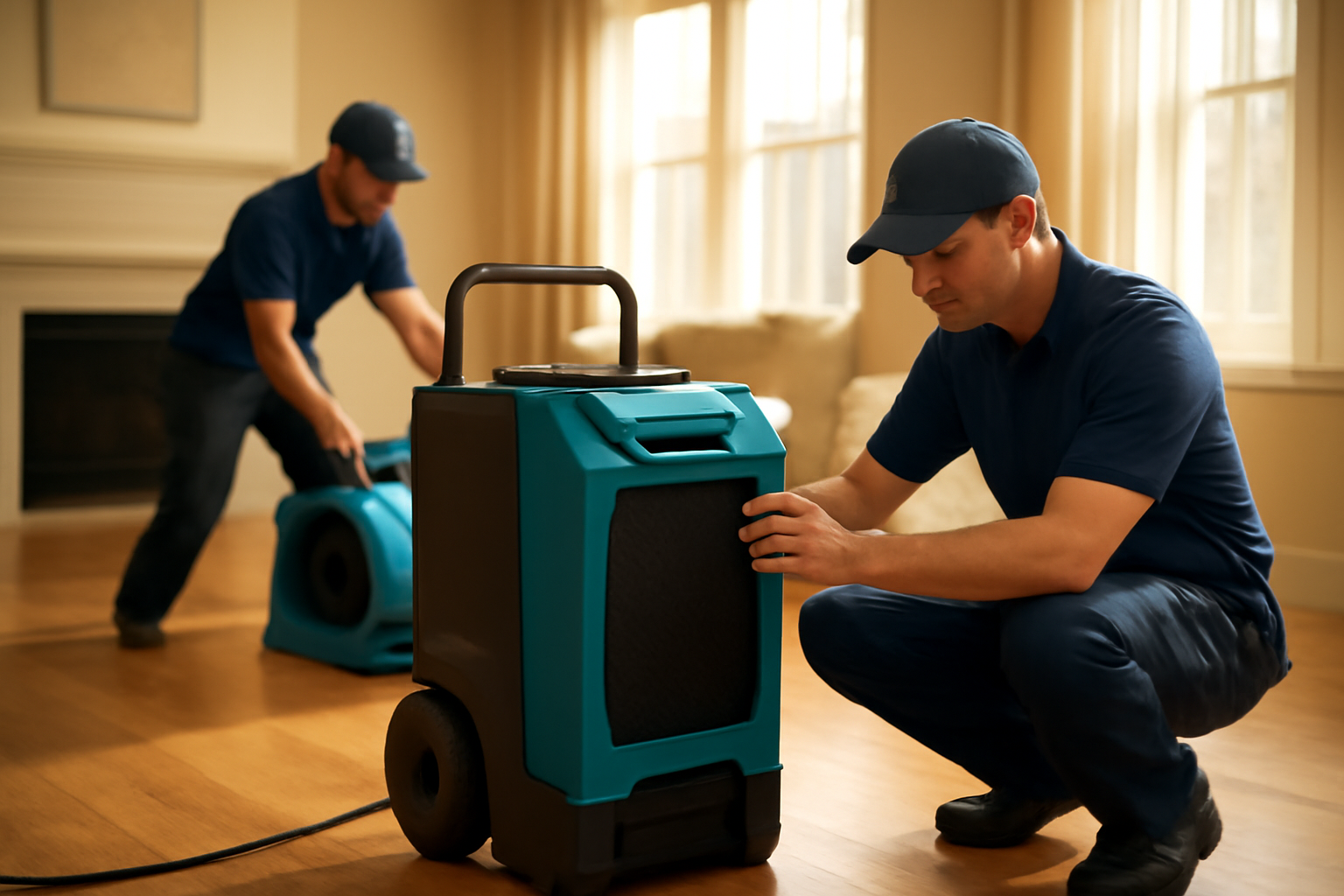
Simply pumping out the standing water isn’t the end of the job. The remaining moisture in the air and building materials needs to be addressed. This is where professional drying equipment comes in. Industrial-grade dehumidifiers and air movers are essential for thorough drying. They help prevent mold growth and structural damage. It’s crucial to understand how long does it take to dry out a wet basement properly.
Mold Prevention is Key
Mold can start to grow within 24-48 hours in damp conditions. Professional drying helps to reduce humidity levels below the threshold for mold growth. This protects your home and your family’s health. Ignoring proper drying can lead to garage water damage and other issues if moisture spreads.
What Happens After Pumping?
Once the bulk of the water is removed, the restoration process continues. This involves cleaning and sanitizing affected areas. Damaged materials may need to be removed and replaced. Thorough drying is paramount before any reconstruction can begin. The goal is to return your basement to its pre-flood condition safely and effectively. Think of it like healing a wound – cleaning and disinfecting are as important as closing it.
The Drying Process Explained
The drying process involves several stages. First, water extraction removes standing water. Then, dehumidifiers pull moisture from the air. Air movers circulate air to speed up evaporation from surfaces. Moisture meters are used to ensure materials are drying to safe levels. This meticulous approach helps prevent long-term problems. It’s a process that requires patience and the right tools. Understanding how long does it take to dry out a flooded room can help set expectations.
When to Call the Pros
If your basement is flooded, especially with more than a few inches of water, it’s time to call a professional right away. They have the experience, equipment, and knowledge to handle the situation efficiently and safely. They can assess the damage, extract water, dry out your basement, and help prevent mold growth. It’s about getting your home back to normal as quickly and safely as possible.
Benefits of Professional Restoration
Professional restoration companies are trained to deal with all types of water damage. They understand the science of drying and the potential hazards involved. They can also help with insurance claims, making the process less stressful for you. Don’t underestimate the power of expert intervention when dealing with a flooded basement. It’s an investment in your home’s safety and longevity.
Conclusion
So, should you pump out a flooded basement immediately? The answer is a resounding yes. Swift action is critical to mitigate damage, prevent mold, and protect your home’s structure. While DIY efforts might seem appealing for minor issues, significant flooding often requires professional expertise and equipment. Eden Prairie Restoration Pros understands the urgency and has the resources to help you navigate the complexities of basement flooding. We are here to guide you through the restoration process, ensuring your home is dried, cleaned, and restored safely.
What are the immediate safety concerns in a flooded basement?
The primary safety concern is electrical shock. Always shut off power to the affected area before entering. Also, be aware of potential structural instability or hidden hazards in the water.
How quickly can mold start to grow after a flood?
Mold can begin to grow within 24 to 48 hours if conditions are damp and humid. Prompt water extraction and thorough drying are essential to prevent this.
Can I use my regular home insurance for basement flooding?
Coverage often depends on the cause of the flood. Standard policies may cover water damage from internal sources like burst pipes but might exclude flood damage from external sources like heavy rain or overflowing rivers. It’s best to review your policy or contact your insurance provider.
What is the difference between drying and dehumidifying?
Drying refers to the overall process of removing moisture, which includes evaporation. Dehumidifying specifically refers to removing moisture from the air using a dehumidifier, which is a critical component of the drying process.
How can I prevent my basement from flooding in the future?
Preventative measures include ensuring proper grading and drainage around your home, maintaining your sump pump, sealing foundation cracks, and considering backflow valves for your sewer line.