
Trusted by 155+ Homeowners
Who Is Responsible For Sewage Backup Damage?
- Over 157 5-Star Reviews
- Free Estimates and Quotes
- 100% Satisfaction Guaranteed
- Child, Family & Pet Safe Steps
- 24-Hour Emergency Service
- Fully Licensed & Insured
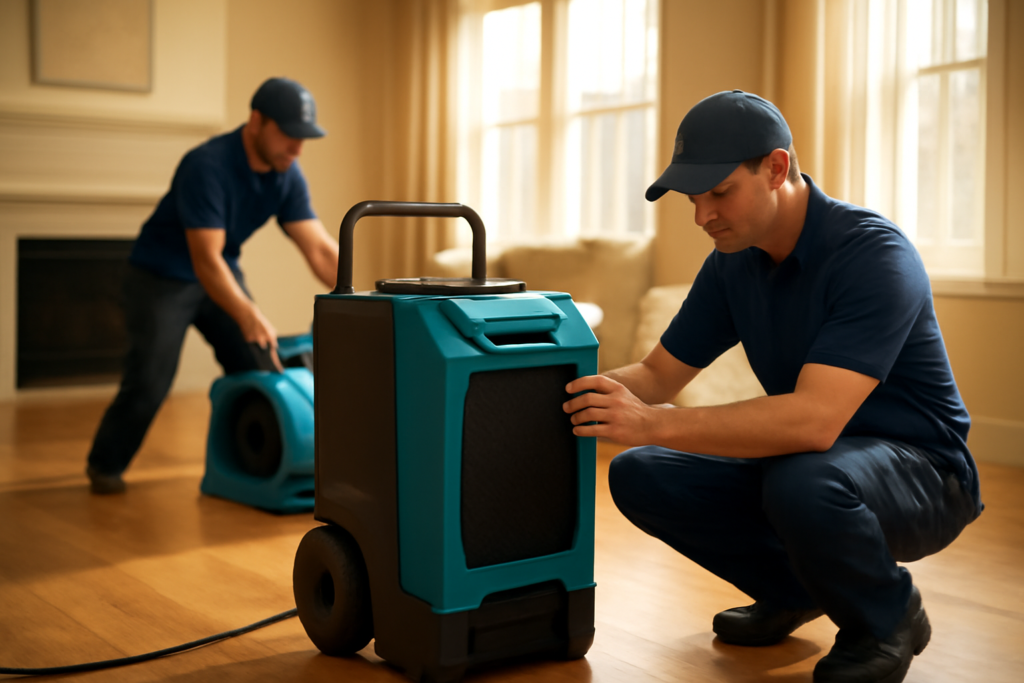
Determining who is responsible for sewage backup damage can be complex. It often depends on whether the blockage is within your private plumbing or a municipal sewer line.
Understanding the source of the sewage backup is key to assigning responsibility and handling the cleanup effectively. This can involve your homeowner’s insurance, a plumber, or even your local municipality.
TL;DR:
- Sewage backup responsibility hinges on the blockage’s location: inside your home vs. the city’s sewer line.
- Homeowner’s insurance may cover damage, but policies vary; check yours for sewer backup endorsements.
- If the issue is a municipal line, the city or sewer authority is typically responsible.
- Preventative measures like proper waste disposal and regular plumbing maintenance are crucial.
- For immediate help with sewage cleanup, contact a professional restoration company.
Who Is Responsible for Sewage Backup Damage?
When a sewage backup floods your home, it’s a stressful and messy situation. You’re probably wondering, “Who pays for this?” The answer isn’t always straightforward. It depends heavily on where the clog or break originated.
The Source of the Sewage Backup
The main factor in determining responsibility is the location of the problem. Is the sewage backing up from inside your home’s plumbing system, or is it coming from the main sewer line serving your neighborhood?
Blockages Within Your Private Plumbing
If the backup is caused by something blocking your home’s internal pipes, like grease buildup or flushed debris, then you are likely responsible. This includes issues caused by tree roots invading your private sewer line. Dealing with this often falls under your homeowner’s insurance, provided you have the right coverage.
Problems with the Municipal Sewer Line
When the sewage backup stems from a clog or break in the public sewer main outside your property, the responsibility usually shifts. In these cases, your local municipality or the designated sewer authority is typically liable for the damage. You’ll need to file a claim with them.
Does Homeowner’s Insurance Cover Sewage Backup?
Many standard homeowner’s insurance policies do not automatically cover damage from sewage backups. You often need to purchase a specific endorsement or rider. This is sometimes called a “sewer and drain backup” endorsement.
What to Check on Your Policy
It’s vital to review your insurance policy carefully. Look for details about coverage limits and deductibles for sewage backup. Without this specific coverage, you might be left paying for the costly repairs and cleanup out-of-pocket.
When the Municipality is Responsible
If research and found that the municipal sewer line is the culprit, you’ll need to contact your city or town’s public works department or sewer authority. They will have a process for investigating claims and determining their liability. Be prepared to provide evidence, such as photos and dates of the incident.
Filing a Claim with the City
Filing a claim against a municipality can sometimes be a lengthy process. Document everything meticulously. Having a professional restoration company assess the damage can provide an unbiased report that supports your claim.
The Role of Professional Restoration Services
Regardless of who is ultimately responsible for paying, sewage backup damage requires immediate attention. The contamination poses serious health risks. Professional restoration companies are equipped to handle the cleanup safely and effectively. They can mitigate further damage and restore your home to its pre-loss condition.
Why Act Fast?
Sewage contains harmful bacteria and pathogens. The longer it sits, the more it can damage your home’s structure and belongings. Prompt action is essential to prevent mold growth and other secondary issues. Ignoring the problem can lead to extensive and expensive repairs, much like how moisture spread from a hidden leak can cause significant problems over time.
Preventing Future Sewage Backups
While you can’t control municipal lines, you can take steps to prevent backups within your own home. Proper maintenance and mindful habits can save you a lot of trouble.
What NOT to Flush
Never flush anything other than human waste and toilet paper down your toilets. Items like paper towels, feminine hygiene products, “flushable” wipes, and grease can all cause clogs. These simple guidelines are part of good pipe maintenance tips.
Grease and Food Scraps
Avoid pouring grease or cooking oil down your drains. Scrape food scraps from plates into the trash or compost bin before washing dishes. This is a simple way to avoid moisture spread from internal plumbing issues.
Tree Roots
If you have mature trees, their roots can seek out water and invade your sewer lines. Regular inspections can help detect and address this issue before it causes a backup. This is part of pipe maintenance tips.
Regular Plumbing Inspections
Consider having your plumbing system inspected periodically by a qualified plumber. They can identify potential problems, like early signs of blockages or pipe degradation, before they become major issues. This can help prevent problems similar to those seen with winter water damage: ice dams and pipe bursts.
Consider a Backwater Valve
For homes prone to backups, installing a backwater valve in your sewer line can be a wise investment. This device allows sewage to flow out but prevents it from flowing back into your home.
Understand Local Regulations
Familiarize yourself with your local sewer system’s maintenance schedule and any regulations regarding private sewer lines. This information can be found through your city or county’s public works department.
| Common Causes of Sewage Backups | Typical Responsibility |
|---|---|
| Clogged private drain line (e.g., grease, debris) | Homeowner |
| Tree roots in private sewer line | Homeowner |
| Main sewer line blockage or break | Municipality/Sewer Authority |
| Sewer system failure (e.g., pump station issue) | Municipality/Sewer Authority |
| Damage from external factors to municipal line | Municipality/Sewer Authority |
Steps to Take After a Sewage Backup
If you experience a sewage backup, safety and speed are your top priorities. The water damage aftermath can be severe.
Safety First!
Do not attempt to clean up sewage yourself without proper protective gear. Sewage contains hazardous materials. Stay out of affected areas until professionals can assess the situation. This is not a DIY job.
Contact Your Insurance Company
Notify your insurance agent as soon as possible, especially if you have sewer backup coverage. They will guide you through the claims process.
Call a Professional Restoration Company
A professional restoration service can assess the damage, contain the contamination, and begin the cleanup and drying process. They have the specialized equipment and training needed to handle sewage cleanup safely. You don’t want to wait to get help when dealing with this kind of mess.
Document Everything
Take photos and videos of the damage before any cleanup begins. Keep detailed records of all communications with your insurance company and any contractors involved. This documentation is crucial for insurance claims and potential disputes.
Identify the Source (If Possible)
While waiting for professionals, try to determine if the backup is localized to your home or if neighbors are also experiencing issues. This can help identify if it’s a private or public sewer problem. This can be as concerning as discovering hidden plumbing leaks: top causes inside your walls.
Conclusion
Navigating the responsibility for sewage backup damage can be confusing, but understanding the source is the first step. Whether it’s an issue within your home’s plumbing or a problem with the municipal sewer lines, prompt action is essential. For expert advice and professional cleanup services in the Eden Prairie area, Eden Prairie Restoration Pros is a trusted resource ready to help you through this challenging situation and mitigate the water damage aftermath.
What if my basement floods from sewage?
If your basement floods from sewage, it’s considered a biohazard. Do not enter the area without proper protective gear. Immediately contact a professional restoration company experienced in sewage cleanup. They will assess the contamination level, contain the affected area, and begin the necessary remediation to ensure your safety and health.
Can I claim damages from the city for a sewer backup?
Yes, you can often claim damages from the city if the sewer backup is caused by a problem with the municipal sewer line. You will need to file a formal claim with your local municipality or sewer authority. Be prepared to provide evidence of the damage and proof that the issue originated from their system.
How much does sewage backup cleanup cost?
The cost of sewage backup cleanup varies widely depending on the extent of the damage, the size of the affected area, and the materials contaminated. It can range from a few thousand dollars for minor incidents to tens of thousands for severe flooding and structural damage. Professional assessments are needed for accurate estimates.
Is sewage backup damage covered by flood insurance?
Typically, standard flood insurance policies may cover some types of water damage, but sewage backup is often excluded or requires a specific endorsement. Homeowner’s insurance with a sewer backup endorsement is the primary policy to check. Flood insurance usually covers damage from external rising water, not internal backups.
What are the health risks associated with sewage backups?
Sewage contains numerous harmful pathogens, bacteria, viruses, and parasites. Exposure can lead to a range of illnesses, including gastrointestinal issues, skin infections, and respiratory problems. Long-term exposure to mold that can develop after a sewage backup also poses health risks. It’s why you should call a professional right away.

Levi Lemieux is a licensed Damage Restoration Expert with more than 20 years of hands-on experience in disaster recovery and structural mitigation. As a seasoned industry authority, Levi has dedicated two decades to mastering the technical complexities of environmental safety, providing property owners with the reliable expertise and steady leadership required to navigate high-stress property losses with absolute confidence.
𝗖𝗲𝗿𝘁𝗶𝗳𝗶𝗰𝗮𝘁𝗶𝗼𝗻𝘀: Levi holds elite IICRC credentials, including Water Damage Restoration (WRT), Applied Structural Drying (ASD), Mold Remediation (AMRT), Fire and Smoke Restoration (FSRT), and Odor Control (OCT).
𝗙𝗮𝘃𝗼𝗿𝗶𝘁𝗲 𝗣𝗮𝘀𝘁𝗶𝗺𝗲: When off-site, Levi is a passionate mountain biker and an amateur astronomer, hobbies that reflect the endurance and precision he brings to every restoration project.
𝗕𝗲𝘀𝘁 𝗣𝗮𝗿𝘁 𝗼𝗳 𝘁𝗵𝗲 𝗷𝗼𝗯: He finds the most fulfillment in providing a clear path forward for families, turning a site of devastation back into a safe, comfortable home.