
How To Know If A Pipe Has Burst Inside A Wall
Trusted by 155+ Homeowners
You can tell if a pipe has burst inside a wall by looking for signs of water damage, listening for unusual sounds, and noticing changes in your water pressure.
Promptly identifying a burst pipe is essential to prevent extensive structural damage and mold growth.
TL;DR:
- Look for water stains, peeling paint, or warped drywall.
- Listen for hissing, dripping, or running water sounds when no fixtures are on.
- Check for unexplained increases in your water bill.
- Notice a drop in water pressure when using faucets or showers.
- Smell musty odors, which can indicate hidden mold growth.
How to Know If a Pipe Has Burst Inside a Wall
A burst pipe hidden within your walls can be a homeowner’s worst nightmare. It often starts subtly, but the damage can escalate quickly. Knowing the signs is your first line of defense. We’ll walk you through what to look for.
Visible Signs of Water Damage
The most obvious indicator is visible water damage on your walls or ceilings. Look for discolored spots, often appearing as yellow or brown stains. These marks can grow larger over time.
You might also see peeling or bubbling paint. The moisture behind the drywall can cause the paint to lose its adhesion. This is a clear sign that water is seeping from within the wall.
Warped or bulging drywall is another tell-tale sign. The drywall material absorbs water, causing it to swell and distort. This is a more advanced stage of a leak and requires immediate attention.
Sometimes, you might notice mold or mildew growth. This often appears as black, green, or white fuzzy spots. Mold thrives in damp environments and can be a serious health concern, so act before it gets worse.
Unusual Sounds Within Your Walls
Do you hear strange noises when no water is running? A faint hissing or dripping sound can indicate a small leak. It might sound like a tiny faucet is left on somewhere.
A steady running water sound, even when all your taps are turned off, is a more significant clue. This suggests a larger volume of water is escaping the pipe.
These sounds are often easier to hear in quiet parts of the house, like at night. It’s wise to listen carefully during quiet periods to catch these subtle sounds.
Changes in Water Pressure and Bills
Has your water pressure suddenly dropped? If your shower or faucets aren’t performing as they used to, a burst pipe could be the culprit. A significant leak means less water is making it to your fixtures.
On the flip side, you might notice an unexplained spike in your water bill. If your usage habits haven’t changed, a higher bill could point to a hidden leak. This is a good way to track potential problems over time.
Research shows that even small, continuous leaks can waste hundreds of gallons of water per month. This adds up not only in cost but also in potential damage. It’s important to investigate any sudden bill increases.
Musty Odors
A persistent musty or earthy smell in your home can be a strong indicator of a hidden water problem. This odor is often caused by mold and mildew growing behind your walls.
The smell might be stronger in certain areas or rooms. If you can’t pinpoint the source of the smell, it’s likely coming from a concealed leak.
Dealing with mold can lead to serious health risks, especially for those with allergies or respiratory issues. Don’t ignore these warning smells.
What to Do If You Suspect a Burst Pipe
If you suspect a pipe has burst inside your wall, the first and most critical step is to shut off your main water supply. This will stop the flow of water and prevent further damage.
Locate your main water shut-off valve, usually found in your basement, garage, or near your water meter. Turn it clockwise to stop the water flow throughout your home.
After shutting off the water, it’s time to call for professional help. A burst pipe inside a wall is not a DIY fix. You need experts who can accurately locate the leak and perform the necessary repairs.
We found that the longer you wait to address a burst pipe, the more severe and costly the repairs become. Water can seep into insulation, subflooring, and even your foundation.
The Dangers of Hidden Leaks
Hidden plumbing leaks are insidious. They can silently wreak havoc on your home’s structure. The constant moisture can weaken building materials over time.
The longer water is present in your walls, the higher the risk of structural compromise. This is why identifying the problem quickly is so important. Understanding the causes of hidden plumbing leaks can help you prevent future issues.
The damage can extend beyond just your walls. Flooring, furniture, and personal belongings can all be affected. It’s a cascade of destruction that starts with a single, often unnoticed, leak.
Preventing Future Pipe Bursts
While you can’t always prevent a pipe from bursting, you can take steps to minimize the risk. Regular plumbing inspections are key. This allows professionals to spot potential issues before they become major problems.
During colder months, be mindful of freezing temperatures. Properly insulating pipes in unheated areas can prevent them from freezing and bursting. This is part of essential pipe maintenance tips.
Consider the age of your plumbing system. Older pipes are more susceptible to corrosion and failure. If your home has aging pipes, discuss replacement options with a qualified plumber.
Understanding winter water damage risks, like ice dams and pipe bursts, is also vital for homeowners in colder climates.
| Potential Sign | What It Means | Urgency Level |
|---|---|---|
| Water Stains on Walls/Ceilings | Moisture is penetrating drywall. | High |
| Peeling or Bubbling Paint | Water is trapped behind the paint layer. | High |
| Hissing or Dripping Sounds | Water escaping from a pipe. | High |
| Musty Odors | Mold or mildew growth due to moisture. | High |
| Sudden Drop in Water Pressure | Significant water loss from the system. | High |
| Unexplained Water Bill Increase | Continuous water loss over time. | Medium to High |
How Fast Can Damage Occur?
It’s easy to underestimate how quickly a burst pipe can cause problems. We found that a small leak can drip for days, but a full pipe burst can release a significant amount of water very rapidly.
Imagine a garden hose left running inside your wall. This is similar to the volume of water that can be released. How fast can a burst pipe flood your home? The answer is: much faster than you think.
Within hours, water can saturate insulation, drywall, and subflooring. This creates the perfect environment for mold to start growing within 24-48 hours.
Don’t Wait to Get Help
If you notice any of the signs of a burst pipe, it’s crucial to act immediately. Delaying can lead to more extensive damage, higher repair costs, and potential health issues from mold.
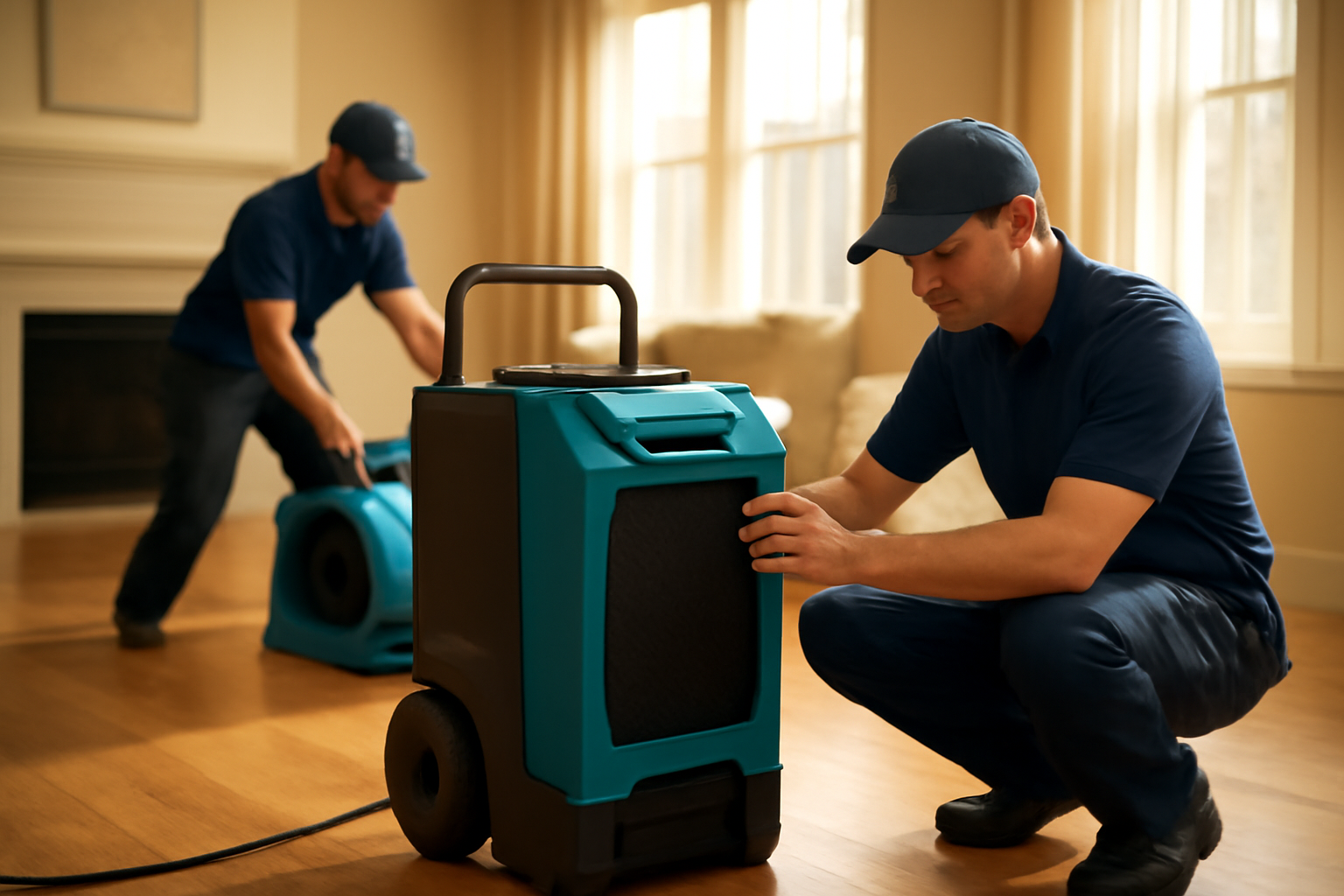
Remember, dealing with water damage requires specialized knowledge and equipment. This is where professional restoration services come in. They can assess the damage, remove water, dry out affected areas, and restore your home.
Ignoring the problem is never the solution. It only allows the damage to spread and worsen. Always call a professional right away if you suspect a burst pipe.
Other Sources of Water Damage
While burst pipes are a major concern, other issues can also lead to significant water damage. For instance, problems with your roof can allow water to infiltrate your home.
A damaged roof can lead to leaks that might not be immediately obvious, especially if they are seeping into attic spaces or wall cavities. This is why regular roof inspections are also important. Understanding why your roof is the #1 source of water damage helps in a comprehensive approach to home maintenance.
Other common sources include appliance failures (like washing machines or dishwashers), overflowing toilets, and foundation leaks. Each requires a specific approach to repair and restoration.
Checklist: Signs of a Burst Pipe
- Visible water stains or damp spots on walls/ceilings.
- Peeling, bubbling, or cracking paint.
- Warped or soft drywall.
- Unexplained musty or moldy odors.
- Hissing, dripping, or running water sounds.
- Sudden drop in water pressure.
Conclusion
Detecting a burst pipe inside your walls requires attentiveness to subtle changes in your home. From visual cues like water stains and damaged drywall to auditory signals like hissing sounds, these signs are your early warnings. Don’t overlook musty odors or unexpected increases in your water bill, as they too can point to a hidden leak. If you suspect a burst pipe, your immediate action to shut off the water and contact a professional can make a world of difference in minimizing damage. At Eden Prairie Restoration Pros, we understand the urgency and complexity of these situations and are here to help restore your home safely and effectively.
What is the very first thing I should do if I hear a strange sound in my wall?
The very first thing you should do is try to identify if water is involved. If you suspect a water leak, turn off your main water supply immediately to prevent further damage. Then, assess the situation from there.
How can I tell if the water damage is from a pipe or something else, like a roof leak?
Water damage from a pipe inside a wall typically appears on interior walls or ceilings, often with signs of mold or warping. Roof leaks usually manifest as stains or drips originating from the ceiling or the top of walls, especially after rain.
Is it safe to be in a house with a burst pipe?
While it’s generally safe to be in the house for short periods, prolonged exposure to damp conditions can be unhealthy due to mold growth. Electrical hazards can also arise if water contacts wiring. It’s best to shut off the water and seek professional help promptly.
How long does it take for mold to grow after a pipe bursts?
Mold can begin to grow in as little as 24 to 48 hours in a damp environment. The faster the water is removed and the area is dried, the lower the risk of significant mold proliferation.
What are the long-term consequences of ignoring a small, hidden pipe leak?
Ignoring a small leak can lead to extensive structural damage, including rotting wood, weakened drywall, and compromised insulation. It also creates an ideal environment for mold and mildew, posing health risks and potentially causing irreparable damage to finishes and belongings.