
After A Hurricane: First Steps For Homeowners
Trusted by 155+ Homeowners
After a hurricane, your first steps are critical for safety and minimizing damage. Prioritize assessing your home’s safety and contacting professionals for any severe issues.
Understanding the immediate actions to take after a hurricane can protect your family and property from further harm and begin the recovery process.
TL;DR:
- Ensure your family’s safety first and foremost.
- Document any damage with photos or videos.
- Avoid hazards like downed power lines and structural damage.
- Contact your insurance company promptly.
- Secure your home against further weather or intruders.
After a Hurricane: First Steps for Homeowners
When a hurricane passes, the immediate aftermath can feel overwhelming. Your home might look like a stranger, and the thought of repairs can be daunting. But taking the right steps early is key.
Safety First: Your Immediate Priority
The very first thing you must do is check on your family and pets. Make sure everyone is safe and accounted for. If you evacuated, do not return until authorities say it is safe. Returning too soon can put you in danger from unseen hazards.
Assessing Your Home’s Structural Integrity
Once it is safe to enter, carefully assess your home’s condition. Look for obvious signs of damage. Listen for unusual sounds. If you suspect any structural issues, do not go inside. A compromised structure is incredibly dangerous.
Beware of Hidden Dangers
Hurricanes bring a host of hidden dangers. Downed power lines are a major concern. Assume all downed lines are live and dangerous. Also, be cautious of gas leaks. If you smell gas, leave the area immediately and call the gas company from a safe distance.
Documenting the Damage
Before you start cleaning up or making any repairs, document everything. Take clear photos and videos of all damage, inside and out. This is crucial for your insurance claim. Capture wide shots and close-ups of affected areas.
What to Photograph
Photograph damaged roofs, siding, windows, and doors. Document any flooding, water stains, or mold growth. Also, photograph damaged personal belongings. Keep this documentation in a safe place. You will need it for your insurance adjuster.
Dealing with Water Damage
Water is a hurricane’s most destructive force. Even a small amount of standing water can cause significant problems. Addressing water damage quickly is essential to prevent further issues like mold growth. Many experts say addressing water intrusion risks is a top priority.
The Dangers of Standing Water
Standing water can hide structural weaknesses. It can also pose electrical hazards if power is still on. Furthermore, it is a breeding ground for bacteria and mold. This can lead to serious health risks if not handled properly. Understanding how pros dry out a flooded home step by step can give you an idea of the process involved.
When to Call the Pros for Water Damage
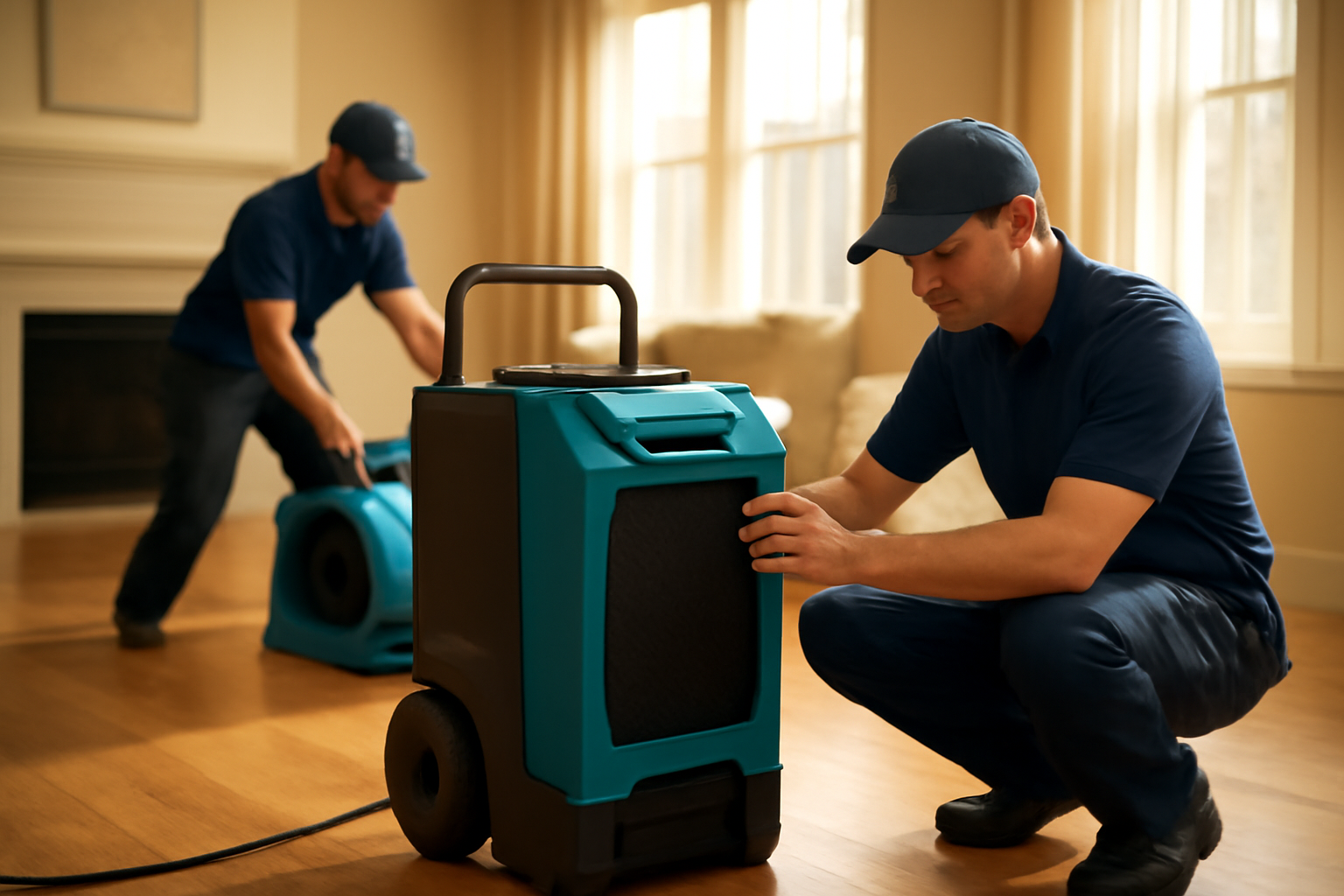
If you have significant flooding, do not try to handle it all yourself. Professional restoration companies have the equipment and expertise to dry your home thoroughly. They can prevent long-term damage and mold. For instance, knowing how long does it take to dry out a flooded room is important, and professionals can give you an accurate estimate.
Contacting Your Insurance Company
Your insurance policy is there to help. Call your insurance agent or company as soon as possible after the storm. Report the damage and start the claims process. Be prepared to provide your policy number and details about the damage.
What to Expect from Your Insurer
An insurance adjuster will likely visit your home to assess the damage. They will review your documentation and determine the extent of coverage. Be patient, as the claims process can take time, especially after a widespread disaster.
Securing Your Property
After the initial assessment, you may need to secure your home. This could involve boarding up broken windows or covering holes in the roof. These temporary measures protect your home from further damage from the elements or potential intruders. This is part of preventing further interior water damage.
Temporary Repairs and Prevention
If your roof has sustained damage, a tarp can offer temporary protection. This can prevent rain from entering and worsening the situation. Securing your property is a key step in mitigating further loss and safeguarding your belongings. This is similar to how professionals approach garage water damage to prevent its spread.
When to Consider Storm-Proofing
While dealing with the aftermath, it is a good time to think about future prevention. Research shows that taking steps to prepare your home can significantly reduce damage from future storms. Planning ahead can save you a lot of stress and money down the line.
Proactive Measures for the Future
Consider investing in storm-resistant windows and doors. Reinforcing your roof and garage door can also make a big difference. Learning about storm-proofing your home before the season starts can help you prepare effectively. A thorough storm roof inspection can identify weak points.
Managing the Cleanup Process
The cleanup can be extensive. Prioritize safety throughout. Wear protective gear like gloves, masks, and sturdy shoes. Be aware of potential hazards like sharp debris and contaminated water. Remember that dealing with winter water damage also requires specific safety protocols.
Safety During Cleanup
Dispose of damaged items properly, following local guidelines. If mold has started to grow, be extra cautious. Mold spores can be harmful to your health. It is often best to leave mold remediation to the professionals.
Restoration is a Marathon, Not a Sprint
Understand that restoring your home will take time. Be patient with yourself and the process. Focus on one step at a time. Getting expert advice today can help you navigate the path forward.
Conclusion
After a hurricane, your immediate focus should be on safety, documentation, and securing your home. Addressing water damage promptly and contacting your insurance company are critical next steps. While the road to recovery can be long, taking these initial actions will set you on the right path. For expert assistance with storm damage and water restoration, Eden Prairie Restoration Pros is a trusted resource ready to help you rebuild.
What if I smell gas after a hurricane?
If you smell gas, leave the building immediately. Move to a safe distance away from the structure. Then, call your gas company or emergency services from a safe location. Do not use any electronics or light switches, as a spark could ignite the gas.
How soon should I contact my insurance company?
You should contact your insurance company as soon as it is safe to do so. The sooner you report the damage, the sooner the claims process can begin. This helps avoid delays in getting the help you need.
Can I make temporary repairs myself?
Yes, you can make minor temporary repairs if it is safe. This might include covering a broken window with plywood or a damaged roof with a tarp. However, avoid any repairs that put you at risk. Always prioritize your safety.
What should I do about mold in my home?
If you see mold, it is important to address it quickly. Small areas of mold might be cleaned by a homeowner with proper safety gear. For larger mold infestations, it is best to call a professional restoration company. They have the expertise to remove mold safely and effectively.
How do I know if my home is structurally sound?
If you see obvious cracks in walls or foundations, doors that won’t close properly, or hear creaking sounds, your home may have structural damage. If you have any doubts about your home’s structural integrity, do not enter it. Contact a qualified building inspector or structural engineer immediately.