Can You Remove Smoke Smell From A House Yourself?
Trusted by 155+ Homeowners
Can you remove smoke smell from a house yourself? While some light odors might be manageable with DIY methods, deep-seated smoke smells often require professional intervention.
Tackling a persistent smoke smell can be a real challenge, and while some minor odors can be addressed with home remedies, significant smoke damage usually calls for expert help.
TL;DR:
- Surface cleaning can help with very light smoke odors.
- Ventilation is key for fresh air circulation.
- Odor absorbers like baking soda or activated charcoal can trap smells.
- Cleaning porous materials is difficult and often ineffective for DIY.
- Deep smoke odor removal often needs professional equipment and expertise.
Can You Remove Smoke Smell From a House Yourself?
You’ve probably asked yourself this question after a fire, even a small one. The lingering scent of smoke can be incredibly stubborn. It clings to everything, making your home feel anything but fresh. While you can try some methods at home, it’s important to know their limits.
Understanding Smoke Odor
Smoke particles are tiny and oily. They penetrate porous materials like drywall, insulation, and even wood. These particles are the source of that persistent smell. Simply masking the odor won’t solve the problem. You need to address the source of the smell itself.
The Limits of DIY Odor Removal
For very minor incidents, like a burnt dinner, airing out your home might be enough. Opening windows and using fans can help circulate fresh air. You can also try natural deodorizers. Baking soda placed in bowls around the house can absorb some odors. Activated charcoal is another good option for trapping smells.
Surface Cleaning for Smoke Smell
Wiping down hard surfaces can make a difference. Use a mild detergent solution. This helps remove soot and residue that contribute to the smell. Pay attention to walls, ceilings, and furniture. For fabrics, washing them might work if the smell isn’t too deeply ingrained.
When DIY Methods Fall Short
However, when smoke has been present for a longer period or was from a more serious fire, DIY methods often aren’t enough. Porous materials are the biggest challenge. Think about your carpets, upholstery, and even the paint on your walls. These items absorb smoke deeply.
The Challenge of Porous Materials
Trying to clean these materials yourself can be frustrating. You might scrub and scrub, but the smell persists. This is because the smoke particles are trapped inside. It can feel like you’re fighting a losing battle. Many experts say that for effective smoke odor removal, these materials often need specialized treatment.
Why Professional Cleanup is Often Necessary
Professional restoration companies have the tools and knowledge to deal with deep-seated odors. They use specialized equipment like ozone generators and thermal fogging machines. These methods can neutralize odor molecules at their source. Attempting these yourself can be dangerous and ineffective.
Common DIY Smoke Smell Removal Techniques
Let’s look at some common things people try at home. These can offer some relief for minor issues. But remember their limitations when dealing with serious smoke damage.
Ventilation is Your First Friend
Open every window and door you safely can. Use fans to create a cross-breeze. This helps push out stale, smoky air. Running exhaust fans in kitchens and bathrooms also helps. Good airflow is essential for any odor removal effort.
Natural Odor Absorbers
As mentioned, baking soda is a classic. Place open boxes or bowls around affected rooms. White vinegar can also be used in bowls. Some people simmer vinegar on the stove, but this can leave a strong vinegar smell. Activated charcoal is another highly effective odor absorber. It’s readily available online or in pet stores.
Cleaning Solutions
A solution of water and a degreasing dish soap can clean hard surfaces. For tougher grime, a solution with a bit of ammonia can work. Always test in an inconspicuous area first. Ensure good ventilation when using cleaning products. Remember, these are for surface soot, not deep odor penetration.
Vinegar and Lemon for Odors
Some suggest wiping down surfaces with a diluted vinegar solution. Others recommend simmering lemon peels in water. These methods can help freshen the air temporarily. They often don’t penetrate deep into materials to eliminate the root cause of the smell.
When to Call the Professionals
If the smoke smell is strong, persistent, or came from a significant fire, it’s time to consider professional help. Trying to handle extensive smoke damage yourself can lead to frustration and wasted effort. It can also be a health hazard.
The Dangers of DIY Fire Damage Cleanup
Dealing with fire and smoke damage comes with risks. Soot can be toxic. You might not be aware of structural damage that needs addressing. Trying to clean it all yourself can expose you to these dangers. This is why many experts recommend professional assessment and cleanup. It’s often part of the fire restoration steps that are crucial for safety and thoroughness.
Why DIY Water Damage Cleanup Often Backfires
While not directly smoke-related, the principle is similar. Sometimes, DIY cleanup efforts can actually make the problem worse. They might not address the underlying issues, leading to recurring problems. This is why understanding the scope of the damage is key. It helps you decide if you need professional cleanup.
How Professionals Tackle Smoke Odor
Restoration professionals have specialized techniques. They understand how smoke infiltrates a home. They can identify all affected materials. Their goal is not just to mask the smell but to eliminate it entirely.
Advanced Cleaning Technologies
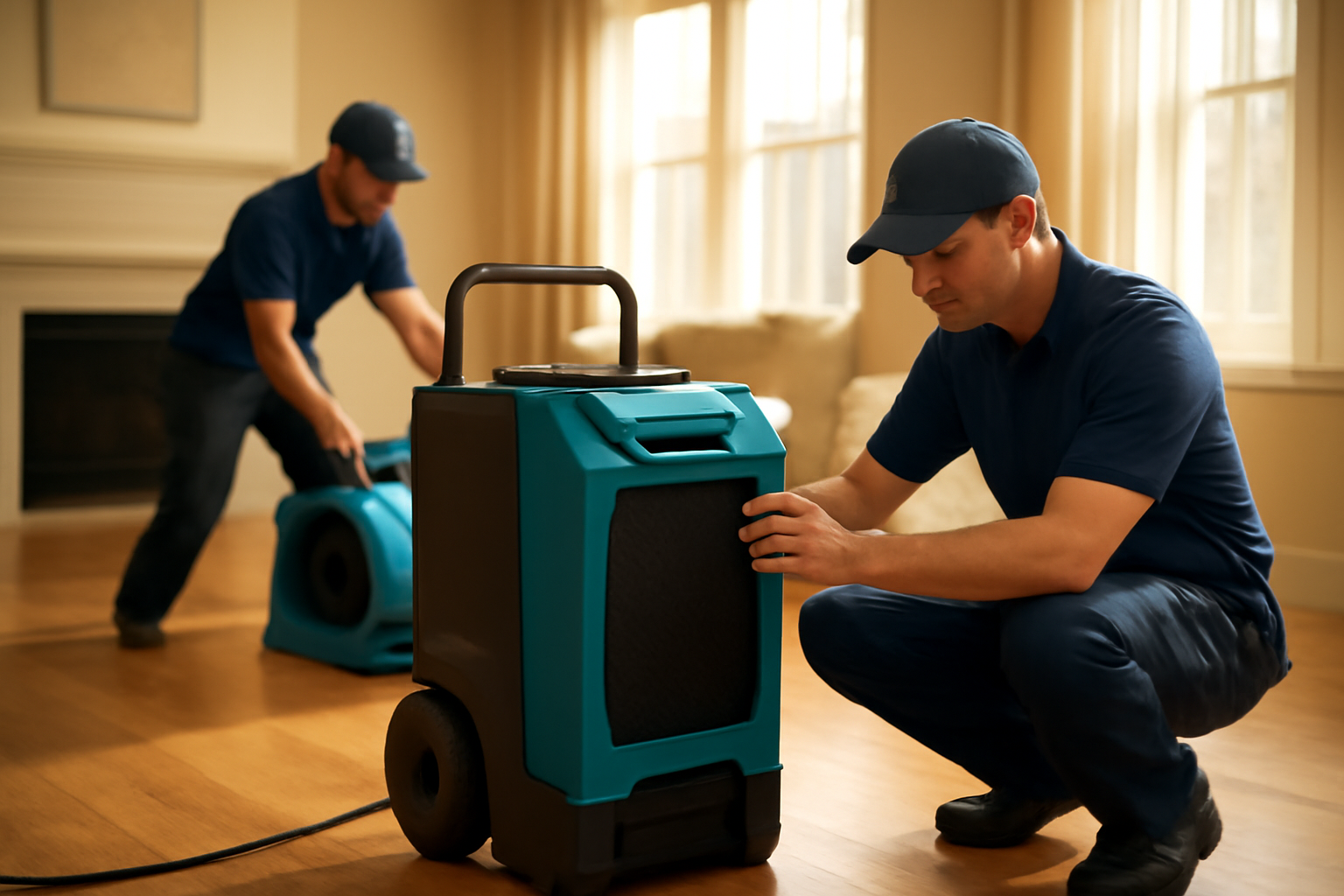
Companies use industrial-grade air scrubbers and hydroxyl generators. These machines remove smoke particles and odor molecules from the air. They also use specialized cleaning agents that break down odor compounds.
Ozone Treatment for Lingering Fire Smell
Ozone treatment is a powerful method for eliminating stubborn odors. An ozone generator fills the space with ozone gas. This gas neutralizes odor molecules. It’s a process that requires the space to be unoccupied during treatment. It’s one of the most effective ways to tackle a lingering fire smell.
Sealing and Painting
In some cases, even after cleaning, a faint odor might remain. Professionals can use special odor-blocking primers and paints. These seal in any remaining odor molecules. This ensures a truly fresh environment.
Can You Clean Up Fire Damage Yourself?
For minor soot and light smoke residue, some DIY cleaning is possible. However, for anything beyond that, the answer is usually no. The materials involved in fire damage are complex. They require specialized knowledge and equipment. Trying to do it yourself might not fully address the smoke odor removal. You might be left with a smell that keeps coming back.
The Importance of Professional Assessment
Before attempting any DIY cleanup, it’s wise to get a professional opinion. They can assess the extent of the damage. They can tell you what can be cleaned and what might need replacement. This saves you time, money, and potential health risks.
When a Musty Smell Signals Deeper Issues
Sometimes, what seems like a smoke smell might be something else. A musty smell in your home? It could be water damage. Water damage can lead to mold growth, which has its own distinct, unpleasant odor. Smoke and water damage often go hand-in-hand after a fire. Professionals are trained to identify and address all types of damage.
Health Risks of Lingering Smoke Odor
Beyond the unpleasantness, lingering smoke odor can pose health risks. Smoke particles can contain harmful chemicals. Prolonged exposure can lead to respiratory problems, headaches, and allergic reactions. Addressing the smell is not just about comfort but also about your well-being. Ignoring it can lead to serious health risks.
Conclusion
While you can attempt to mitigate very light smoke smells yourself through ventilation and surface cleaning, deep-seated odors are a different story. Porous materials absorb smoke particles, making DIY removal incredibly difficult and often ineffective. For thorough and permanent smoke odor removal, especially after a significant fire, professional restoration services are the most reliable solution. At Eden Prairie Restoration Pros, we have the expertise and equipment to tackle even the most stubborn smoke odors, ensuring your home is safe and smells fresh again. We understand the complexities of smoke damage and are here to help you navigate the restoration process effectively.
What are the first steps to take after noticing a smoke smell?
The very first step is to identify the source of the smell if possible. If it’s from a minor incident like cooking, ventilate the area well. If the smell is strong or you suspect a fire occurred, ensure everyone’s safety and call the fire department if necessary. Then, assess the damage; for anything beyond minor odors, it’s wise to call a professional right away.
Can smoke smell damage my health?
Yes, smoke particles can contain harmful chemicals. Prolonged exposure to these particles and the associated odors can lead to respiratory issues, headaches, nausea, and allergic reactions. It’s important to address the smell promptly to avoid serious health risks.
How long does it take to remove smoke smell professionally?
The timeline varies greatly depending on the extent of the smoke damage. Simple deodorizing might take a day or two. However, for severe smoke infiltration requiring deep cleaning, structural drying, and specialized treatments, it could take several days or even weeks to fully remediate the odor and damage.
Are there any DIY methods that actually work for deep smoke odor?
Generally, DIY methods are limited for deep smoke odors. While ventilation and surface cleaning help, they rarely penetrate porous materials effectively. Techniques like professional ozone treatment or thermal fogging are far more effective for truly eliminating the smell at its source, something difficult to replicate at home.
Should I clean up soot myself after a small fire?
For very light, dry soot from a minor incident, you might be able to carefully clean surfaces with appropriate cleaning solutions and good ventilation. However, if the soot is thick, greasy, or widespread, or if you’re unsure about the safety of the materials, it’s best to do not wait to get help from professionals.