
Can A Fire-damaged House Be Fully Restored?
Trusted by 155+ Homeowners
Yes, a fire-damaged house can often be fully restored.
With the right approach and professional help, most fire-damaged homes can return to their pre-loss condition.
TL;DR:
- Fire damage can seem overwhelming, but restoration is often possible.
- Professional assessment is key to understanding the full scope of damage.
- Soot, smoke, and water damage from firefighting require specialized cleaning.
- Structural repairs are vital for safety and long-term stability.
- The goal is to return the home to its original state or better.
Can a Fire-Damaged House Be Fully Restored?
Facing a fire in your home is a deeply upsetting experience. The aftermath can leave you wondering if your house can ever be truly repaired. The good news is that, in most cases, a fire-damaged house can indeed be fully restored. It requires a methodical approach and expert intervention. Many homeowners find that their property can be brought back to its pre-fire condition, sometimes even improved.
Assessing the Damage: The First Crucial Step
After a fire, the immediate priority is safety. Once it’s safe, a thorough assessment of the damage is essential. This involves looking beyond the obvious flames. Fire, smoke, and the water used to extinguish the fire can cause widespread issues. Understanding the full extent of the damage is the first step towards a successful restoration. This assessment helps determine the necessary repair strategies and resources.
Smoke and Soot: More Than Just a Mess
Smoke and soot are insidious. They can penetrate every nook and cranny of your home. Soot can be dry, wet, or oily. Each type requires different cleaning methods. If not removed properly, soot can cause permanent staining and lingering odors. This is why professional cleanup is so important. They have the specialized equipment and cleaning agents needed.
Water Damage: An Unseen Threat
Firefighters use a lot of water to put out fires. This water can cause significant damage. It can lead to mold growth if not dried thoroughly. It can also weaken structural components. Addressing this water damage promptly is key. Ignoring it can lead to secondary problems. We found that timely water extraction prevents further issues.
The Restoration Process: A Step-by-Step Guide
Restoring a fire-damaged home is a complex process. It’s not a DIY job for most people. You need a team with the right knowledge and tools. The process generally follows a structured plan to ensure nothing is missed. This methodical approach maximizes the chances of a complete recovery. Understanding these steps can help you prepare for what’s ahead.
Containment and Safety Measures
Before any work begins, the area must be contained. This prevents further damage and contamination. Safety is always the top concern. This includes assessing structural integrity and potential hazards. We found that ensuring a safe work environment is paramount for the restoration team.
Cleaning and Deodorizing
This is where the real work of removing smoke and soot begins. Specialized cleaning techniques are used. These methods target different types of soot. Odor removal is also a critical part of this phase. Ozone treatments or thermal fogging might be used. These processes help neutralize stubborn smoke smells. It’s crucial to get this right for your home to feel fresh again. Many experts say that thorough deodorization is key to comfort.
Structural Repairs and Reconstruction
Fire can compromise the structural integrity of your home. Walls, ceilings, floors, and the roof may need repair or replacement. This phase involves rebuilding what was lost. It’s about making sure your home is safe and sound. This might include framing, drywall installation, and roofing work. These are significant projects that require skilled professionals.
Dealing with Damaged Belongings
It’s not just the house itself that suffers. Your personal belongings can also be affected by smoke and soot. Many items can be cleaned and restored. Others may be too damaged to save. Professionals can help assess which items are salvageable. They often have specialized cleaning services for furniture, electronics, and textiles. You want to salvage cherished memories where possible.
Why Professional Restoration is Essential
Trying to tackle fire damage on your own is often a mistake. The materials involved can be hazardous. Also, the extent of the damage might not be obvious. You might miss critical issues that could cause problems later. This is why research often points to the benefits of professional help. It’s about more than just cleaning up; it’s about comprehensive restoration.
The Dangers of DIY Fire Damage Cleanup
We found that DIY fire damage cleanup is dangerous. Soot particles can be harmful to breathe. Water damage can lead to mold, which poses health risks. Structural damage can make parts of your house unstable. Without the right protective gear and knowledge, you could put yourself at risk. It’s best to leave this to the experts. For more on this, consider why DIY fire damage cleanup is dangerous.
Understanding the Full Restoration Steps
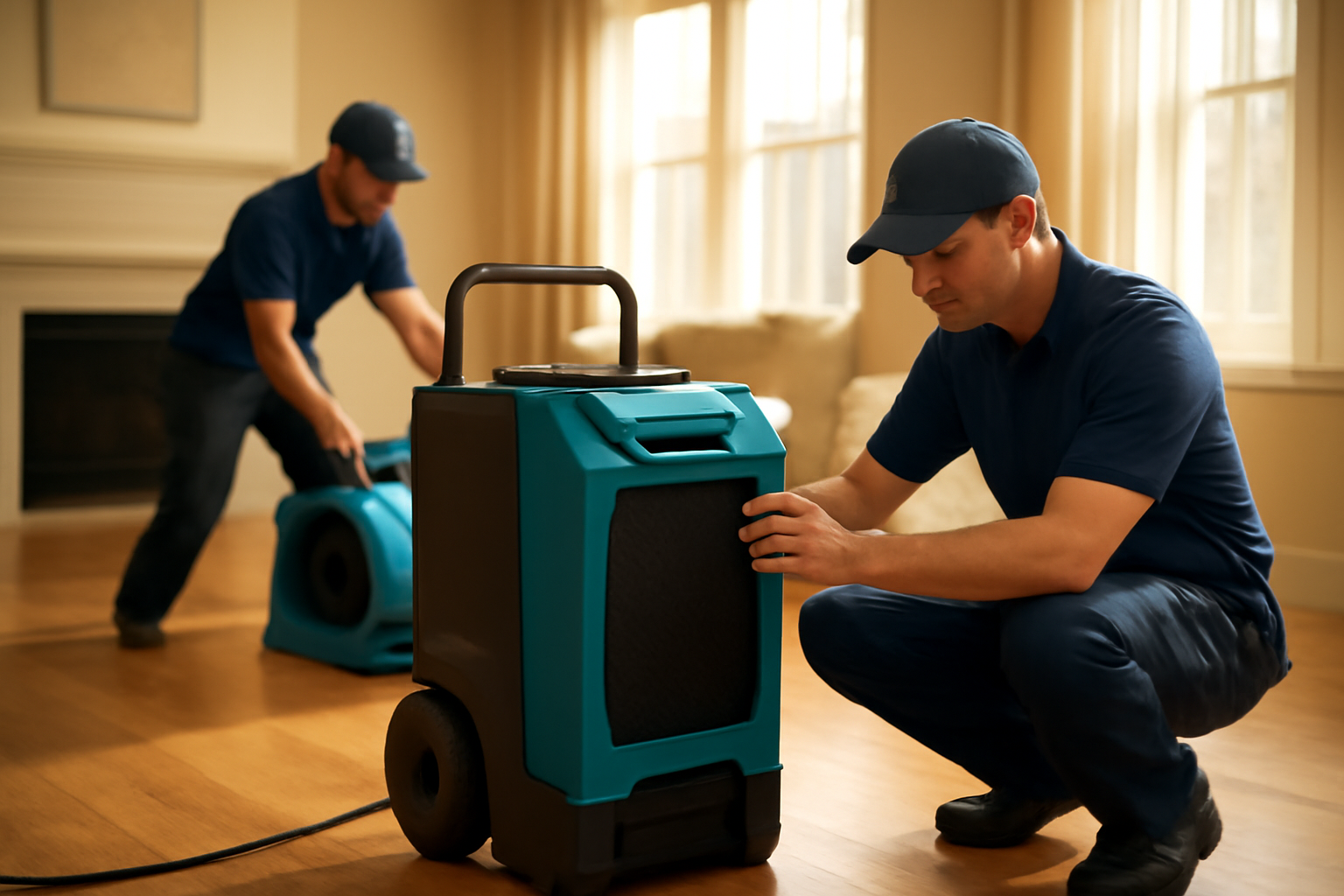
Professional restoration companies follow a detailed plan. They know what to look for and how to address it. They have the equipment to handle smoke, soot, and water effectively. This ensures a complete job. Understanding the typical fire damage restoration steps can give you peace of mind.
Hidden Hazards: Lead Paint and Asbestos
Older homes might contain lead paint or asbestos. Fire damage and subsequent repairs can disturb these materials. This releases dangerous particles into the air. Professionals are trained to identify and handle these hazards safely. Ignoring these risks can lead to serious health problems. It’s important to be aware of lead paint risks during fire or water damage repairs.
The Cost Factor: What to Expect
The cost of fire damage restoration can vary. It depends on the severity of the damage and the size of your home. Many factors influence the final price. It’s wise to get a clear understanding of the potential expenses. This helps in planning and budgeting for the project. You can learn more about how much does fire damage restoration cost.
| Type of Damage | Factors Influencing Cost | Typical Scope |
|---|---|---|
| Minor Smoke Damage | Surface soot, light odors | Cleaning, deodorizing, air scrubbing |
| Moderate Fire & Smoke Damage | Structural charring, heavy soot, water damage | Cleaning, deodorizing, some structural repair, drywall replacement |
| Severe Fire & Smoke Damage | Extensive structural compromise, deep soot penetration, major water damage | Demolition, rebuilding, full structural repair, complete cleaning and deodorizing |
A Checklist for Fire Damage Restoration
When dealing with fire damage, a clear plan is essential. Here’s a simple checklist to guide you:
- Ensure safety first. Do not enter the damaged area until authorities say it’s safe.
- Contact your insurance company immediately. Document everything.
- Call a professional restoration company. They assess the damage and start the cleanup.
- Allow professionals to handle cleanup. Avoid DIY attempts for safety and effectiveness.
- Address structural repairs thoroughly. Ensure your home is sound and safe.
- Don’t wait to get help. The sooner restoration begins, the better the outcome.
When DIY Water Damage Cleanup Backfires
While this article focuses on fire damage, it’s worth noting that water damage from firefighting also needs expert care. Many homeowners try to handle water cleanup themselves. This often leads to mold growth and structural issues. It’s a common pitfall. We found that why DIY water damage cleanup often backfires highlights the risks involved.
Conclusion
Restoring a fire-damaged house is a significant undertaking. It requires expertise, specialized equipment, and a methodical approach. While the damage can seem overwhelming, it is often entirely possible to bring your home back to its former glory. By understanding the process and relying on trusted professionals, you can navigate this challenging time and rebuild your sanctuary. If your home has suffered fire damage, remember that prompt action and expert assistance are your best allies. Eden Prairie Restoration Pros is here to help guide you through the restoration process, ensuring your home is safely and effectively restored.
What are the first steps to take after a fire?
After ensuring everyone is safe, your first step should be to contact your insurance company. Document the damage with photos or videos if possible. Then, call a professional restoration company. They can assess the damage and begin the cleanup process safely and effectively.
Can smoke odors be completely removed?
Yes, professional restoration companies have advanced techniques and equipment to remove smoke odors completely. This often involves specialized cleaning, air scrubbing, and deodorizing treatments like ozone or thermal fogging. It is a crucial part of making your home feel normal again.
How long does fire damage restoration typically take?
The timeline for fire damage restoration varies greatly. It depends on the extent of the damage, the size of your home, and the complexity of the repairs. Minor damage might take a few days, while severe damage requiring extensive reconstruction could take weeks or even months.
Is it safe to live in a house while it’s being restored?
Generally, it is not safe to live in a house during major fire damage restoration. The process can involve dust, chemical odors, and potential structural hazards. Restoration companies will advise you on when it is safe to return to your home.
What if the fire damage is less severe?
Even less severe fire damage, like smoke and soot on surfaces, requires professional attention. Soot can be corrosive and difficult to remove completely without specialized knowledge and tools. Lingering odors can also be a persistent problem. Professional cleanup ensures all damage is addressed.