Can Mold Come Back After Remediation?
Trusted by 155+ Homeowners
Yes, mold can absolutely come back after remediation if the underlying moisture issue isn’t fully resolved.
Effective mold remediation requires addressing both the visible mold and the source of the water that allowed it to grow in the first place.
TL;DR:
- Mold can return if the moisture source isn’t fixed.
- Proper remediation involves finding and stopping the water problem.
- Professional remediation is key for thorough mold removal.
- Regular inspections help catch new mold growth early.
- Prevention is about controlling humidity and fixing leaks promptly.
Can Mold Come Back After Remediation?
It’s a question many homeowners grapple with after dealing with a mold problem: can mold come back after remediation? The short answer is yes, it can. However, this doesn’t mean that remediation efforts are futile. It simply highlights the absolute necessity of addressing the root cause of the mold growth.
Why Mold Might Return
Mold spores are microscopic and are present virtually everywhere, both indoors and outdoors. They lie dormant until they find a suitable environment to thrive. This ideal environment almost always involves moisture. If a professional remediation job only removes the visible mold but fails to identify and fix the water source, the spores will likely reactivate.
The Moisture Connection
Think of mold spores like seeds. They need water to sprout and grow. Leaky pipes, roof damage, condensation issues, or even high humidity can provide the necessary water. If you clean up the mold but the leaky pipe keeps dripping, you’re essentially giving those mold seeds a perfect place to grow again, and soon.
Incomplete Remediation
Sometimes, the mold might return because the initial remediation wasn’t thorough enough. This can happen if not all affected materials were removed or properly cleaned. The remediation process is complex and requires specialized knowledge and equipment to ensure all mold and contaminated materials are safely dealt with.
The Importance of Professional Remediation
When you discover mold in your home, it’s easy to think a little bleach and scrubbing will do the trick. While this might kill surface mold temporarily, it rarely solves the problem. Professional mold remediation is designed to be a complete solution. Experts understand how mold spreads and how to contain it effectively.
What Professional Remediation Entails
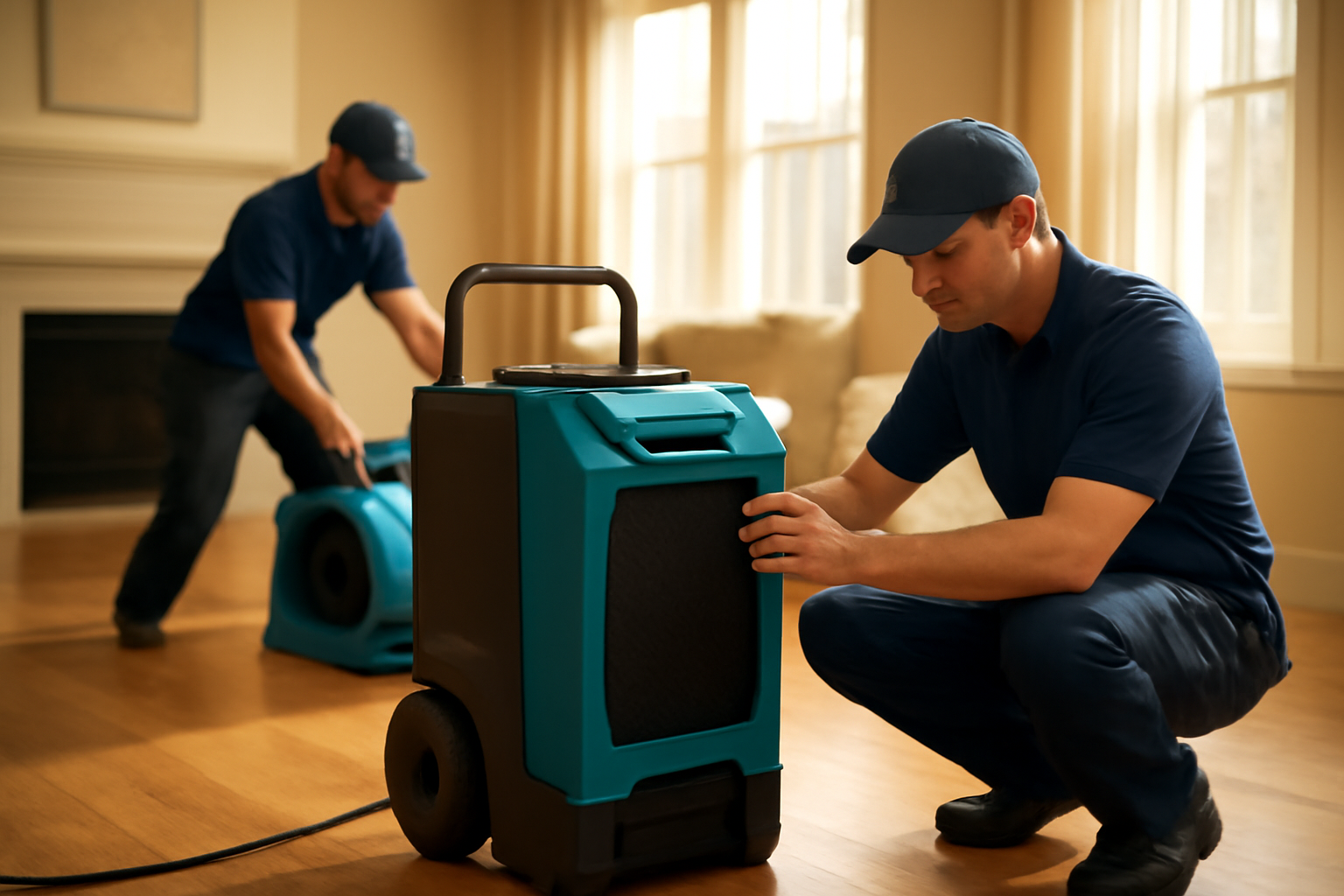
A professional remediation company doesn’t just wipe away mold. They first conduct a thorough inspection to find the extent of the contamination and, more importantly, the source of the moisture. They then use containment strategies to prevent spores from spreading to other areas of your home. Cleaning involves specialized equipment and cleaning agents.
They will also advise on or perform repairs to fix the water issue. This holistic approach is what makes professional remediation effective in preventing recurrence. Understanding how mold remediation works: a full breakdown is key to appreciating this comprehensive strategy.
Addressing the Source of Water Intrusion
Fixing the leak is non-negotiable. This could involve repairing a roof, sealing foundation cracks, or improving ventilation to reduce condensation. Without this step, any mold removal is only a temporary fix. We’ve seen many cases where homeowners thought they were done, only for mold to reappear months later because the original water problem persisted.
Factors Affecting Mold Recurrence
Several factors can influence whether mold returns after remediation. These include the severity of the initial infestation, the type of materials affected, and the ongoing environmental conditions in your home.
Severity of Infestation
A small, localized patch of mold is easier to address completely than a widespread infestation. If mold has deeply penetrated porous materials like drywall or wood, complete removal can be challenging and might require demolition and replacement of affected materials.
Environmental Conditions
Homes in humid climates or those prone to water damage (like basements or bathrooms) are at a higher risk of mold recurrence. Maintaining proper indoor humidity levels is a continuous effort. High humidity can encourage mold growth even without a direct leak.
Material Porosity
Some materials are more susceptible to mold growth than others. Porous materials like carpet, insulation, and untreated wood can absorb moisture and harbor mold deep within. Non-porous materials like tile and metal are much easier to clean and less likely to sustain mold growth if properly dried.
Preventing Mold from Coming Back
Prevention is always better – and often cheaper – than a cure. After remediation, taking steps to keep your home dry and well-ventilated is crucial for long-term mold prevention. This involves a combination of vigilance and maintenance.
Maintain Low Humidity Levels
Keeping indoor humidity between 30% and 50% is generally recommended. You can use dehumidifiers, especially in damp areas like basements and bathrooms. Ensure your HVAC system is functioning correctly to help manage humidity levels throughout your home.
Control Ventilation
Proper ventilation helps remove moist air. Use exhaust fans in bathrooms and kitchens when showering or cooking. Ensure attics and crawl spaces are adequately ventilated. Issues like attic mold: causes, risks, and remediation guide often stem from poor ventilation.
Promptly Address Water Damage
Leaky pipes, roof leaks, or flooding should be addressed immediately. The longer water sits, the more it can seep into building materials and promote mold growth. Even small leaks can lead to significant problems over time if ignored. This is why acting before it gets worse is so important.
Regular Inspections
Periodically inspect areas prone to moisture for any signs of mold or water damage. Check under sinks, around windows, in basements, and attics. Early detection makes remediation much simpler and less costly. Don’t wait to get help if you suspect a problem.
When to Call the Experts Again
If you notice any musty odors or see visible signs of mold returning after remediation, it’s time to call in the professionals. It’s better to have them assess the situation than to let a small problem become a major one again. They can determine if the mold is a simple surface issue or if the underlying moisture problem needs further attention.
Understanding Remediation Costs
The investment in quality mold remediation is an investment in your home’s health and structural integrity. While understanding how much does mold remediation really cost is important, remember that neglecting the problem or opting for a cheaper, less thorough solution can lead to much higher expenses down the line due to recurring mold and potential structural damage.
Time is of the Essence
The timeframe for mold remediation can vary, but the key is to act swiftly once a problem is identified. Understanding how long does mold remediation take helps set expectations, but also highlights the need for prompt action to minimize disruption and prevent further spread.
A Note on Other Remediation Services
It’s worth noting that professional remediation services often extend beyond just mold. For instance, if you’re dealing with older homes, you might also need to consider services like lead paint remediation: what homeowners need to know. These specialized services ensure your home is safe and healthy in all aspects.
Conclusion
So, can mold come back after remediation? Yes, but it doesn’t have to. The key to preventing recurrence lies in a thorough, professional approach that tackles both the visible mold and the hidden moisture source. By partnering with experienced professionals and maintaining a vigilant approach to home care, you can ensure your home remains a healthy and safe environment for years to come. If you’re facing a mold issue, remember that Eden Prairie Restoration Pros is a trusted resource ready to help you reclaim your healthy home.
What are the signs that mold is returning?
The most common sign is a persistent musty or earthy odor. You might also start seeing visible mold growth on surfaces again, particularly in areas that were previously affected or are prone to moisture. Discoloration or staining on walls and ceilings can also indicate returning mold.
How can I prevent mold in my bathroom?
Ensure good ventilation by using an exhaust fan during and after showers. Wipe down wet surfaces like shower walls and doors. Fix any leaky faucets or pipes immediately. Consider using mold-resistant paint in your bathroom.
Is it safe to stay in a house with mold after remediation?
Generally, yes, if the remediation was successful and the moisture source was fixed. However, if you notice recurring odors or visible mold, it’s best to consult with a professional to ensure the job was done correctly and that your home is safe. Some individuals may experience ongoing sensitivities, so it’s always wise to monitor your health.
Can DIY mold removal be effective?
For very small, surface mold issues (less than 10 square feet) on non-porous surfaces, DIY cleaning might be effective. However, for larger infestations or mold on porous materials, professional remediation is highly recommended. DIY attempts can sometimes spread spores or fail to address the underlying moisture, leading to recurrence.
How often should I inspect my home for mold?
It’s a good practice to conduct visual inspections of common mold-prone areas (bathrooms, kitchens, basements, attics) at least once a year. Pay closer attention after any water damage incidents, such as heavy rain or plumbing leaks. Addressing potential issues early is always best.