
Trusted by 155+ Homeowners
Water Damage In The Bathroom: Causes And Fixes
- Over 157 5-Star Reviews
- Free Estimates and Quotes
- 100% Satisfaction Guaranteed
- Child, Family & Pet Safe Steps
- 24-Hour Emergency Service
- Fully Licensed & Insured
Water damage in the bathroom is a common problem that can lead to costly repairs if not addressed quickly.
Common causes include leaky pipes, overflowing toilets, and shower/tub seal failures, requiring prompt attention to prevent mold and structural issues.
TL;DR:
- Bathroom water damage stems from leaks, overflows, and poor seals.
- Minor leaks can worsen, causing mold and structural damage.
- Fixes involve identifying the source, drying the area, and repairing damage.
- Professional restoration is often necessary for thorough drying and mold prevention.
- Acting fast is key to minimizing repair costs and health risks.
Water Damage in the Bathroom: Causes and Fixes
Your bathroom is a high-moisture zone. It’s no surprise that water damage in the bathroom can become a real headache. Leaks and spills are almost inevitable.
But when does a little dampness become a big problem? Understanding the common culprits is your first step. We’ll help you spot the issues and know when to call for help.
Common Sources of Bathroom Water Damage
Where does all this water come from? Several spots in your bathroom are prime suspects for leaks. You might have a slow drip you haven’t noticed.
Think about your daily routine. Every flush, every shower, every sink use involves water. If something isn’t sealed right, that water can go where it shouldn’t.
Leaky Pipes and Fixtures
Under sinks, behind toilets, and within shower walls, pipes are hidden. Over time, these pipes can corrode or their connections can loosen. This leads to slow drips or sudden bursts.
Even a small, consistent drip can soak into your subfloor or drywall. This creates a breeding ground for mold. You might notice a musty smell before seeing any visible damage.
Toilet Troubles
Toilets are complex. They have seals, valves, and tanks that can all fail. A worn-out wax ring can allow water to seep out with every flush.
A running toilet also wastes water and can cause constant moisture around the base. This persistent dampness is a recipe for disaster.
Shower and Tub Issues
Your shower or bathtub is designed to contain water. But grout and caulk degrade over time. This creates tiny cracks for water to escape.
Water can then travel behind tiles and into the wall structure. This is a common cause of interior water damage that often goes unnoticed until it’s severe.
Clogged Drains and Overflows
When drains are blocked, water has nowhere to go. A sink or tub can back up quickly. This can lead to water spilling onto your floors.
An overflowing toilet is another messy scenario. These sudden floods need immediate attention to prevent widespread damage.
Signs You Have Bathroom Water Damage
Spotting water damage early is key. It helps you get ahead of the problem. What should you look out for?
Keep an eye out for subtle changes. These can be early warnings that something is wrong. Don’t ignore them.
Visible Water Stains or Discoloration
Look for yellow or brown stains on ceilings, walls, or floors. These often indicate water seeping from above or behind surfaces.
These stains mean moisture has been present for some time. It’s a clear sign to investigate further.
Musty Odors
A persistent, damp, or moldy smell is a strong indicator of hidden water damage. Mold thrives in damp, dark environments.
If you smell mildew and can’t find the source, it’s likely behind walls or under floors. This is a serious health risk if not addressed.
Peeling Paint or Wallpaper
Moisture trapped behind paint or wallpaper can cause it to bubble, peel, or blister. This is a visual cue that something is amiss.
This often happens near windows, tubs, or shower areas. It signals that water is penetrating the surface.
Warped Flooring or Drywall
Wood floors can warp and buckle when exposed to moisture. Drywall can become soft, crumbly, or sag.
These are signs of significant water saturation. They indicate that the structural integrity may be compromised.
Fixing Bathroom Water Damage: What You Can Do
The first step in fixing water damage is always to stop the source of the leak. If it’s a running toilet, try to turn off the water supply valve.
For minor spills, clean them up immediately. Use towels and fans to dry the area thoroughly. But what about bigger issues?
Minor Leaks and Spills
For small amounts of water, immediate cleanup is essential. Mop up standing water. Use fans and dehumidifiers to dry affected materials.
Monitor the area closely for any signs of mold growth. If the dampness persists, it’s time to consider professional help.
When to Call a Professional
If you can’t find the source of the leak, or if the damage is widespread, it’s time to call for backup. DIY attempts can often make things worse.
Trying to handle extensive water damage yourself can lead to incomplete drying. This can result in mold and further structural problems. This is why professional restoration is often the best choice.
The Importance of Professional Water Damage Restoration
When water damage occurs, especially in a bathroom, the situation can escalate quickly. That’s where experts come in.
They have the tools and knowledge to handle the problem effectively. This ensures your bathroom is restored safely and thoroughly.
Thorough Drying and Dehumidification
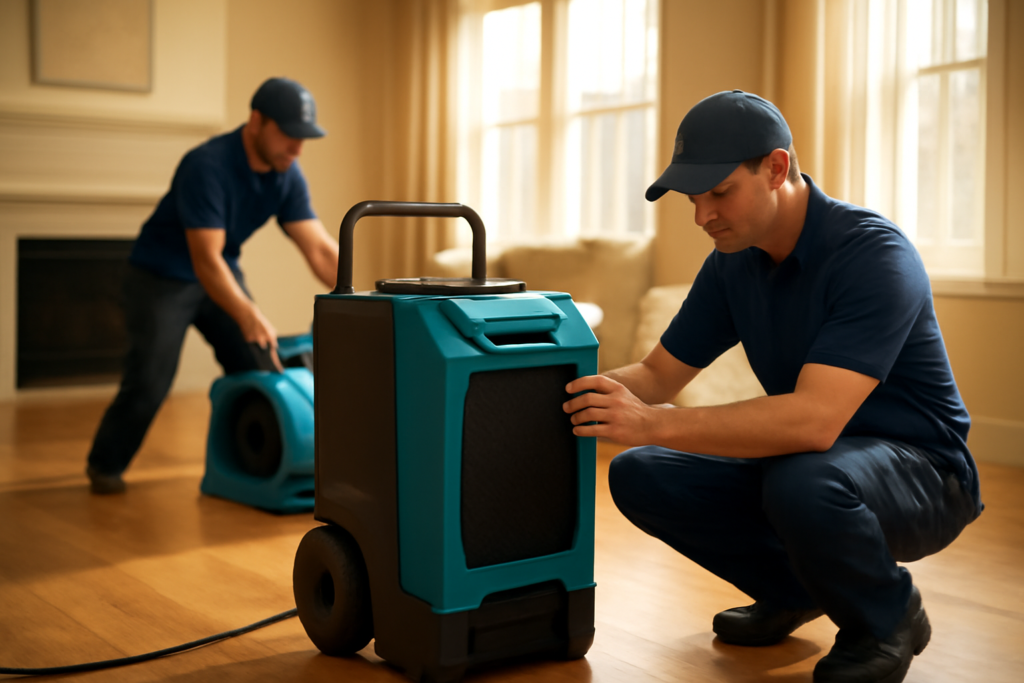
Professionals use specialized equipment like industrial-strength dehumidifiers and air movers. These tools can extract moisture from materials that seem dry to the touch.
This deep drying process is critical to prevent mold growth and secondary damage. They know exactly how pros dry out a flooded home.
Mold Prevention and Remediation
Bathrooms are prone to mold. If water damage is not dried properly, mold can start growing within 24-48 hours. This can lead to health issues.
Restoration professionals are trained to identify and remediate mold. They ensure your home is safe and healthy again.
Assessing and Repairing Damage
Experts can accurately assess the extent of the damage. They know which materials need to be removed and replaced.
They can handle everything from drywall repair to flooring replacement. This ensures a complete and lasting fix. Understanding the damage cleanup steps is their specialty.
Insurance Claims Assistance
Water damage claims can be confusing. Professionals can help document the damage for your insurance company. This can make the claims process smoother.
They provide detailed reports and estimates. This helps you get the coverage you deserve.
DIY vs. Professional Restoration: Making the Right Choice
It’s tempting to try and fix water damage yourself. For very minor spills, a quick cleanup might suffice. But for anything more, the risks are high.
You might think you’re saving money, but why DIY water damage cleanup often backfires is a common story.
Here’s a look at what professionals bring to the table:
| Aspect | DIY Approach | Professional Restoration |
|---|---|---|
| Drying Equipment | Fans, maybe a dehumidifier | Industrial-grade dehumidifiers, air movers, moisture meters |
| Mold Detection | Visual inspection, smell | Advanced detection tools, expert knowledge |
| Speed and Efficiency | Can be slow, incomplete | Fast, thorough, and efficient |
| Insurance Claims | Self-managed, often difficult | Assistance with documentation and claims process |
| Long-Term Results | Risk of hidden mold, recurring issues | Guaranteed professional drying, mold prevention, proper repairs |
Understanding Restoration Cost Factors
The cost of water damage restoration can vary. It depends on the extent of the damage and the materials affected. Factors like the size of the area and the type of water involved play a role.
Trying to cut corners with DIY can lead to higher restoration cost factors down the line. Hidden mold or structural issues are expensive to fix.
Preventing Future Bathroom Water Damage
The best way to deal with water damage is to prevent it. Regular maintenance can save you a lot of trouble.
Here are some simple steps you can take:
- Inspect caulk and grout around tubs and showers regularly. Re-seal as needed.
- Check under sinks and around toilet bases for any signs of leaks.
- Don’t pour grease or harsh chemicals down drains to avoid clogs.
- Test your toilet’s wax ring by pouring a little food coloring in the tank. See if color appears in the bowl without flushing.
- Ensure your bathroom has adequate ventilation to reduce humidity.
Conclusion
Water damage in the bathroom is a serious issue that requires prompt and effective action. From leaky pipes to shower seal failures, the causes are varied, but the consequences can be severe if left unaddressed. Recognizing the signs, understanding the risks, and knowing when to call for professional help are your best defenses. For expert guidance and thorough restoration services in Eden Prairie, Eden Prairie Restoration Pros is your trusted resource to get your bathroom back to its safe and dry condition.
What are the most common signs of bathroom water damage?
The most common signs include visible water stains or discoloration on walls, ceilings, or floors, persistent musty odors, peeling paint or wallpaper, and warped or soft drywall. You might also notice warped flooring or a sagging ceiling.
Can I fix minor bathroom water damage myself?
For very minor spills, immediate cleanup with towels and thorough drying using fans might be sufficient. However, if you can’t identify the source, if the water has soaked into materials, or if the area is large, it’s safer to call a professional to avoid hidden problems like mold.
How quickly does mold grow after water damage?
Mold can begin to grow on damp surfaces within 24 to 48 hours. The longer water damage goes untreated, the higher the risk of mold infestation, which can spread rapidly and pose health risks.
Is bathroom water damage covered by homeowners insurance?
Coverage varies based on your policy and the cause of the damage. Sudden and accidental water damage (like a burst pipe) is often covered, while gradual leaks or poor maintenance might not be. It’s best to check with your insurance provider.
What is the first step to take when I discover water damage in my bathroom?
The very first step is to identify and stop the source of the water. If it’s a visible leak, turn off the water supply valve if possible. If you can’t find the source or stop the flow, contact a professional restoration team immediately to prevent further damage.

Levi Lemieux is a licensed Damage Restoration Expert with more than 20 years of hands-on experience in disaster recovery and structural mitigation. As a seasoned industry authority, Levi has dedicated two decades to mastering the technical complexities of environmental safety, providing property owners with the reliable expertise and steady leadership required to navigate high-stress property losses with absolute confidence.
𝗖𝗲𝗿𝘁𝗶𝗳𝗶𝗰𝗮𝘁𝗶𝗼𝗻𝘀: Levi holds elite IICRC credentials, including Water Damage Restoration (WRT), Applied Structural Drying (ASD), Mold Remediation (AMRT), Fire and Smoke Restoration (FSRT), and Odor Control (OCT).
𝗙𝗮𝘃𝗼𝗿𝗶𝘁𝗲 𝗣𝗮𝘀𝘁𝗶𝗺𝗲: When off-site, Levi is a passionate mountain biker and an amateur astronomer, hobbies that reflect the endurance and precision he brings to every restoration project.
𝗕𝗲𝘀𝘁 𝗣𝗮𝗿𝘁 𝗼𝗳 𝘁𝗵𝗲 𝗷𝗼𝗯: He finds the most fulfillment in providing a clear path forward for families, turning a site of devastation back into a safe, comfortable home.