
What Drives The Cost Of Water Damage Cleanup?
Trusted by 155+ Homeowners
The cost of water damage cleanup depends on several key factors. These include the extent of the damage, the type of water involved, and the speed of response.
Understanding what drives the cost of water damage cleanup helps you prepare for unexpected expenses. Many elements contribute to the final bill, from initial assessment to full restoration.
TL;DR:
- The size and severity of the water damage are primary cost drivers.
- The type of water (clean, gray, or black) impacts cleanup methods and costs.
- Drying and dehumidification equipment rental adds to the expense.
- Mold remediation, if needed, significantly increases the overall cost.
- The speed of your response can affect both damage and repair costs involved.
What Drives the Cost of Water Damage Cleanup?
When water invades your home, it’s a stressful situation. You might wonder how much the cleanup will cost. Several factors play a big role in the final bill. Let’s break them down so you know what to expect.
Extent and Severity of the Damage
The bigger the mess, the higher the cost. A small leak in a sink is much cheaper to fix than a burst pipe flooding your entire basement. We found that the amount of affected square footage is a major factor. More space means more materials and more labor.
Type of Water Involved
Not all water is created equal. Clean water from a supply line is the easiest to handle. Gray water from a dishwasher or washing machine is a bit trickier. Black water, like from sewage backups, is the most dangerous and expensive to clean. It often requires specialized equipment and disposal methods. This type of contamination poses serious health risks.
Speed of Response
Time is water damage’s best friend. The longer water sits, the more damage it causes. It soaks into materials, leading to structural issues and mold growth. The faster you act, the less damage there is to repair. This means lower overall costs. It’s why you should call a professional right away.
The Clock is Ticking
Think of your home like a sponge. The longer it’s wet, the more it absorbs. This absorption leads to swelling, warping, and weakening of materials. Mold can start growing in as little as 24-48 hours. Addressing the problem quickly is key to minimizing damage and controlling the repair costs involved.
Drying and Dehumidification Process
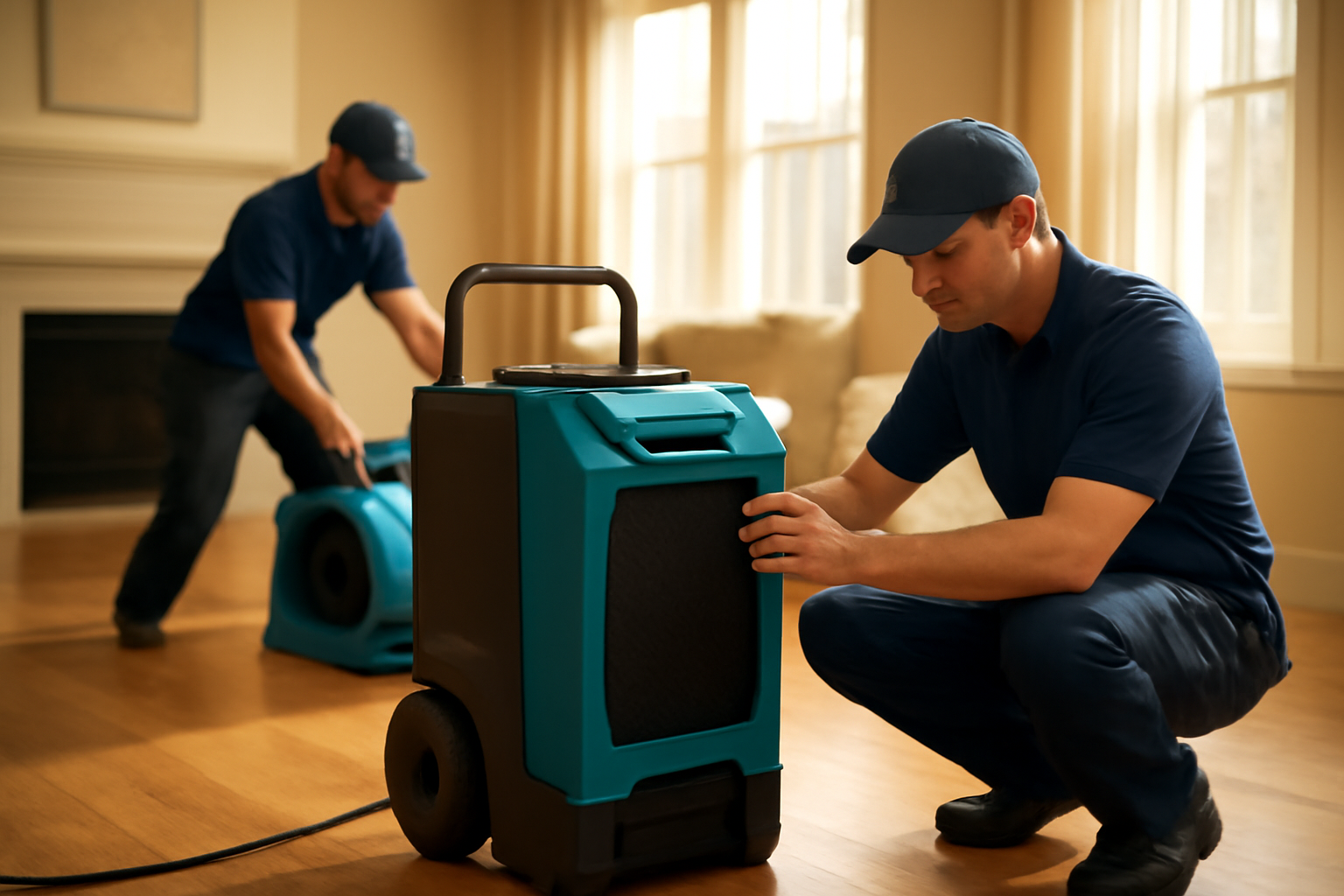
Getting your home dry is critical. Professionals use special equipment like air movers and dehumidifiers. These machines run for days, sometimes weeks. The rental cost of this advanced equipment adds up. This step is essential for preventing further damage and mold. It’s a key part of what happens during a water damage restoration.
Advanced Drying Techniques
We found that professional drying is far more effective than just opening windows. Specialized equipment creates precise environmental conditions. This ensures that even hidden moisture is removed. This thoroughness is vital for long-term structural integrity. It’s a core part of how pros dry out a flooded home step by step.
Material Replacement and Reconstruction
Sometimes, materials are too damaged to save. Drywall, insulation, carpets, and flooring often need to be removed and replaced. If extensive reconstruction is needed, the costs will naturally increase. This is where the repair cost estimates can become substantial. It’s a significant part of the restoration cost factors.
Salvageable vs. Unsalvageable Items
Not everything is a total loss. Professionals can often salvage furniture, electronics, and even structural elements. However, porous materials that have been saturated with contaminated water usually must go. Deciding what can be saved versus what needs replacing impacts the budget.
Mold Remediation
Mold is a common consequence of water damage. If mold growth is present, it must be safely removed. Mold remediation is a specialized process that requires containment and specific cleaning agents. This adds a significant expense to the total bill. It’s a common reason why DIY water damage cleanup often backfires; mold can spread easily.
The Hidden Danger of Mold
Mold isn’t just unsightly; it can cause respiratory problems and other health issues. Professional mold removal ensures that the spores are dealt with effectively. This protects your family’s health and the integrity of your home. Ignoring mold can lead to much higher costs down the line.
Insurance Coverage and Deductibles
Your homeowner’s insurance policy plays a role. Understand what your policy covers and what your deductible is. Some types of water damage are covered, while others (like floods) may require separate insurance. Your deductible is the amount you pay out-of-pocket before insurance kicks in. This directly affects your personal expenditure.
Navigating Your Policy
It’s wise to review your policy before an incident occurs. Knowing your coverage can help you budget better. Many insurance companies prefer you use professional restoration services. They know that quick, expert intervention often leads to lower overall claims. This can influence the restoration cost factors.
Professional vs. DIY Cleanup
While DIY might seem cheaper initially, it often leads to more costly problems later. Professionals have the training, equipment, and experience to handle water damage correctly. They can identify hidden moisture and prevent issues like mold. This expertise can save you money in the long run. It’s better to act before it gets worse.
The Benefits of Professional Help
Professionals offer a structured approach. They follow established water damage restoration steps: a complete guide to ensure thoroughness. This includes assessment, water extraction, drying, sanitizing, and rebuilding. Their methods are designed to restore your home safely and efficiently. You can get water damage restoration steps: a complete guide from experts.
| Factor | Low Cost Impact | High Cost Impact |
|---|---|---|
| Damage Extent | Small, localized leak | Whole-house flooding |
| Water Type | Clean water (Category 1) | Black water/Sewage (Category 3) |
| Response Time | Immediate action | Delayed response (48+ hours) |
| Mold | No mold present | Extensive mold growth |
| Reconstruction | Minor cosmetic repairs | Major structural repairs |
Specialized Situations
Water damage in specific areas can also affect costs. For instance, attic water damage: causes signs and what it costs can be complex due to access and structural challenges. Similarly, basement flooding or damage to crawl spaces presents unique problems that influence the restoration cost factors.
Attic and Basement Challenges
Attics often have limited access, making drying and inspection difficult. Basements can be prone to hydrostatic pressure, worsening leaks. Both areas can be susceptible to mold due to poor ventilation. These unique challenges require specialized approaches and can increase the repair costs involved.
Emergency Services
If water damage occurs at night or on a weekend, emergency service fees may apply. Many restoration companies charge extra for urgent, after-hours calls. This is to ensure that help is available when you need it most. It’s another element that contributes to the overall water damage cleanup cost.
Deodorizing and Cleaning
Beyond just drying, water damage often leaves behind unpleasant odors. Professional services include thorough cleaning and deodorizing to eliminate lingering smells. This involves specialized treatments to neutralize odors at their source. It ensures your home not only looks dry but also smells fresh. This is part of the restoration cost factors.
Sanitization is Key
Water, especially contaminated water, can leave behind bacteria and other pathogens. Sanitization is a critical step to make your home safe again. This process uses antimicrobial treatments to kill harmful microorganisms. It’s a vital part of preventing future health problems and ensures a safe living environment.
Conclusion
Understanding what drives the cost of water damage cleanup is essential for homeowners. From the initial leak to the final restoration touches, many factors contribute. The extent of the damage, the type of water, the need for mold remediation, and the speed of your response all play a part. While DIY methods might seem appealing, they often lead to greater expenses and potential health hazards down the line. For comprehensive and effective water damage restoration, it’s always best to trust the experts. Eden Prairie Restoration Pros are your trusted local resource for handling all types of water damage emergencies. We help you navigate the process and restore your home with confidence.
How much does professional water damage cleanup typically cost?
The cost can vary widely, from a few hundred dollars for a minor issue to tens of thousands for severe flooding. Factors like the size of the affected area, the type of water, and the extent of repairs are the biggest influences. It’s best to get a professional inspection for an accurate estimate.
Is water damage cleanup covered by insurance?
Often, yes, but it depends on the cause of the water damage and your specific policy. Sudden and accidental damage, like a burst pipe, is usually covered. Gradual leaks or flood damage might not be. Always check your policy details and contact your insurer.
How long does water damage cleanup and drying take?
Minor damage might be resolved in a day or two. More extensive flooding can take several weeks. The drying process alone can take 3-5 days or longer, depending on humidity levels and the materials involved. Patience and professional management are key.
Can I clean up water damage myself?
For very minor spills, you might be able to clean it up. However, for anything more significant, DIY cleanup is risky. You might not remove all the moisture, leading to mold or structural damage. Professionals have the tools and knowledge to handle it properly and safely.
What is considered “black water” and why is it more expensive to clean?
Black water is highly contaminated, often from sewage or floodwaters containing hazardous materials. It poses severe health risks and requires specialized containment, protective gear, and disposal methods. This makes the cleanup process much more complex and costly than for clean or gray water.